
Ever since K-pop took the world by storm, Seoul food has been riding that wave — and for good reason. If you’re looking for the most authentic, hearty Korean food experience, there’s no better place than Seoul, South Korea’s vibrant capital.
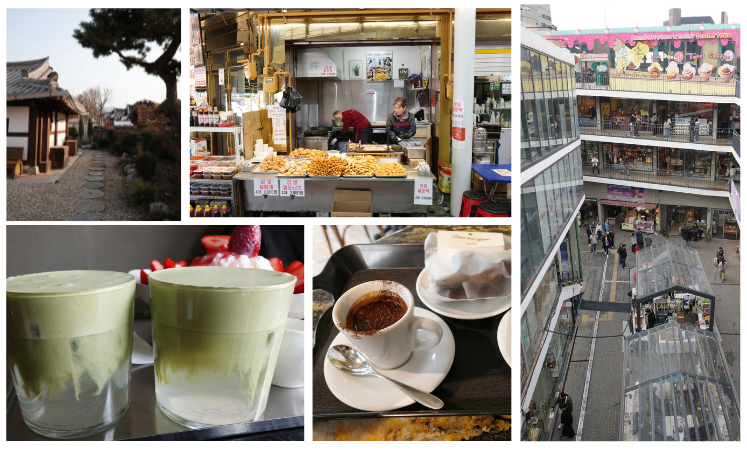
Seoul restaurants have a way of warming the soul like nowhere else. Every meal feels deeply satisfying, from the bold, fermented punch of Kimchi and Doenjang Jjigae, to the smoky thrill of Korean BBQ (KBBQ), a colourful Bibimbap loaded with fresh toppings, crispy savoury Jeon pancakes, and the refreshing shaved ice dessert Bingsu. As Seoul continues to welcome record numbers of tourists, the Seoul food scene has also evolved beautifully — think artisan bakeries, a world-class coffee culture, and creative matcha creations you won’t find anywhere else.
In this post, I’m sharing the 10 best kids-friendly restaurants in Seoul that we personally visited during our family trip in March. We also made a day trip out to Jeonju — the food capital of South Korea — to hunt down my all-time favourite Bibimbap and the traditional rice wine, Makgeolli.
Disclaimer * This article may contain affiliate links at no additional cost to you. Any purchases by you from the external links may allow me to earn a little commission.
Too Long? Pin to Read Later
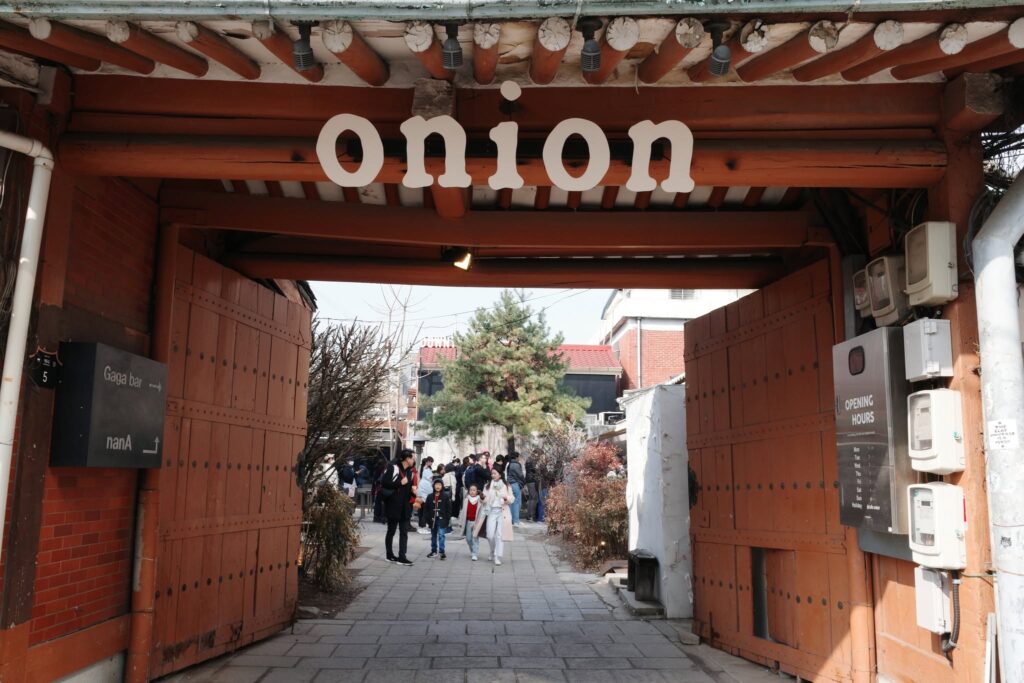
Cafe Onion Anguk — Seoul’s Most Instagrammable Cafe in a 100-Year-Old Hanok
If you’re searching for the best cafes in Seoul, Cafe Onion Anguk belongs at the top of your list. Tucked inside a beautifully restored 100-year-old traditional hanok, this iconic Seoul cafe delivers on every front — stunning decor, an exceptional pastry menu, and outstanding coffee.
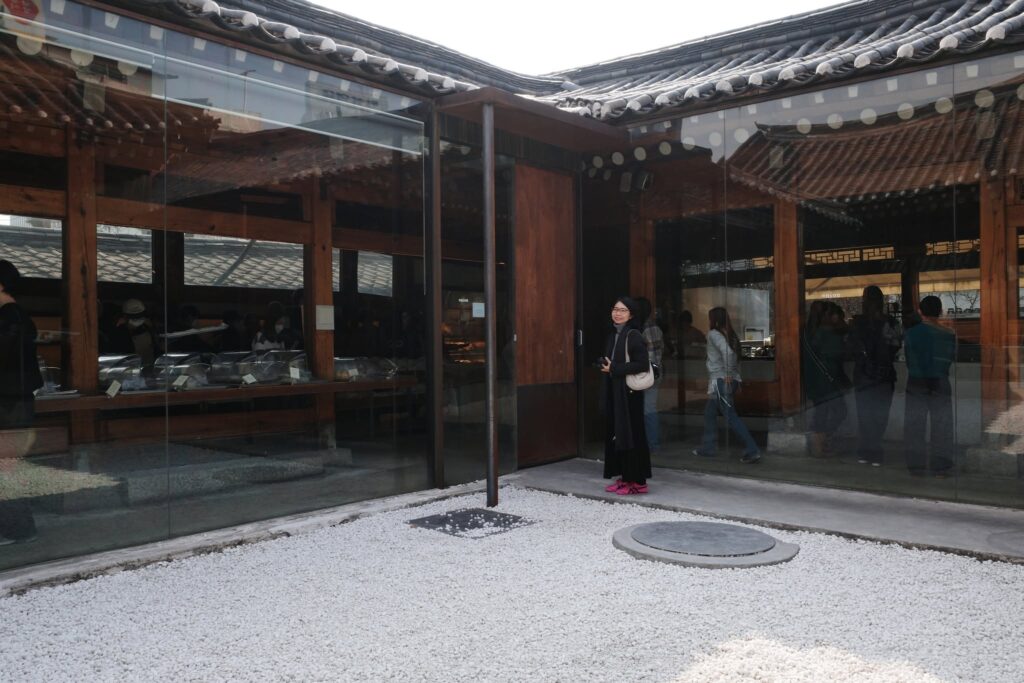
For those unfamiliar with the term, “instagrammable” simply means a space so visually stunning it’s practically begging to be photographed. Many popular cafes in Seoul lean heavily on aesthetics at the expense of quality — but Onion Anguk is the rare exception that ticks every box: breathtaking interiors, a genuinely delicious menu, and drinks worth going back for.
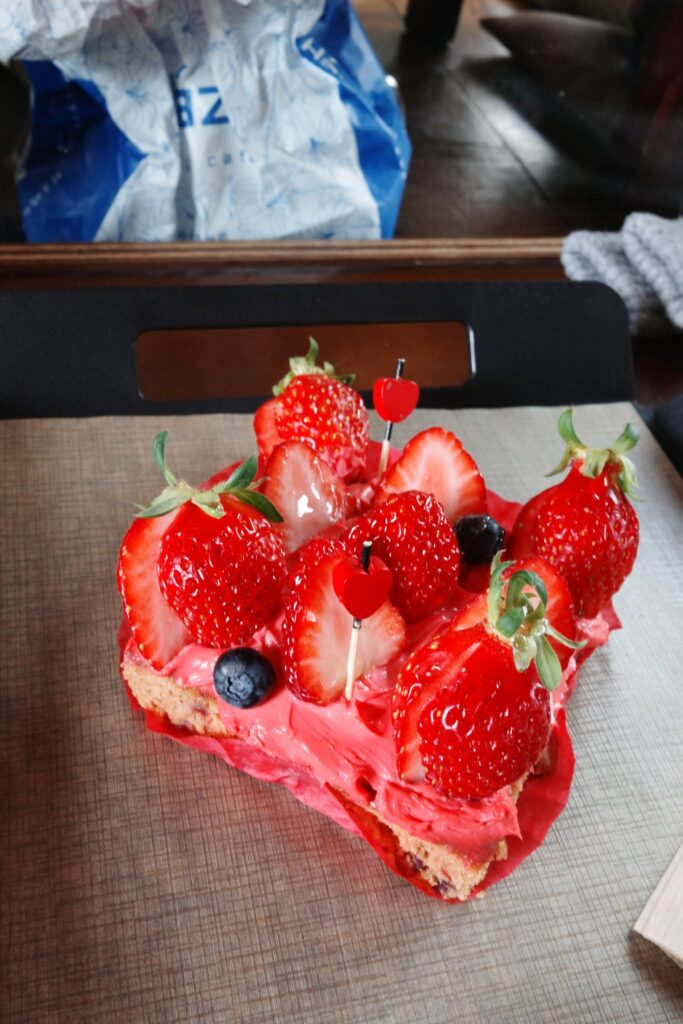
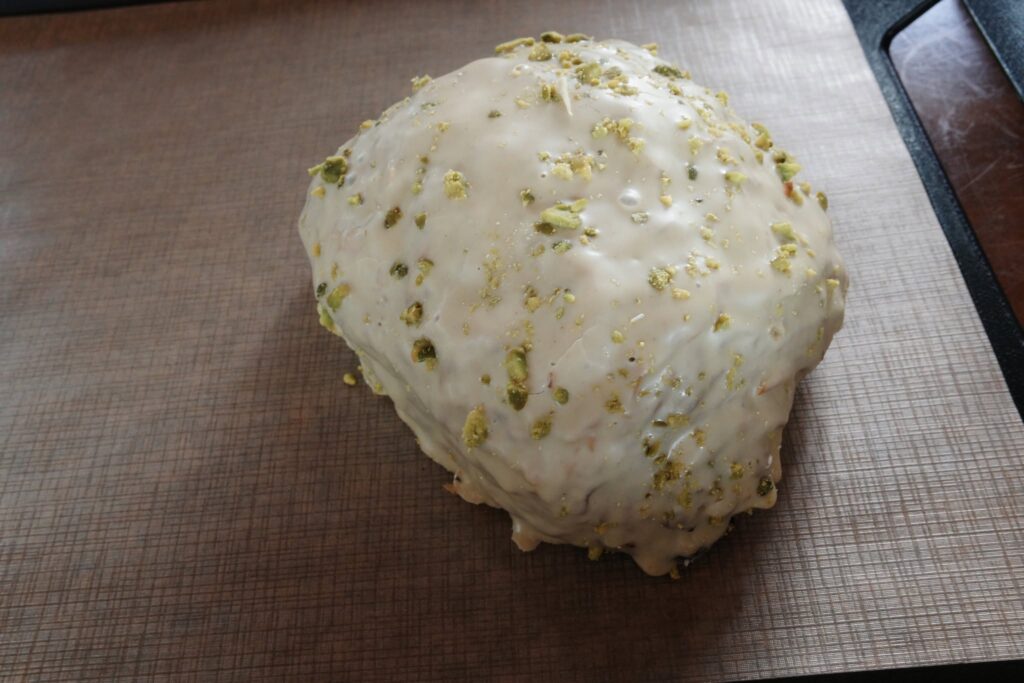
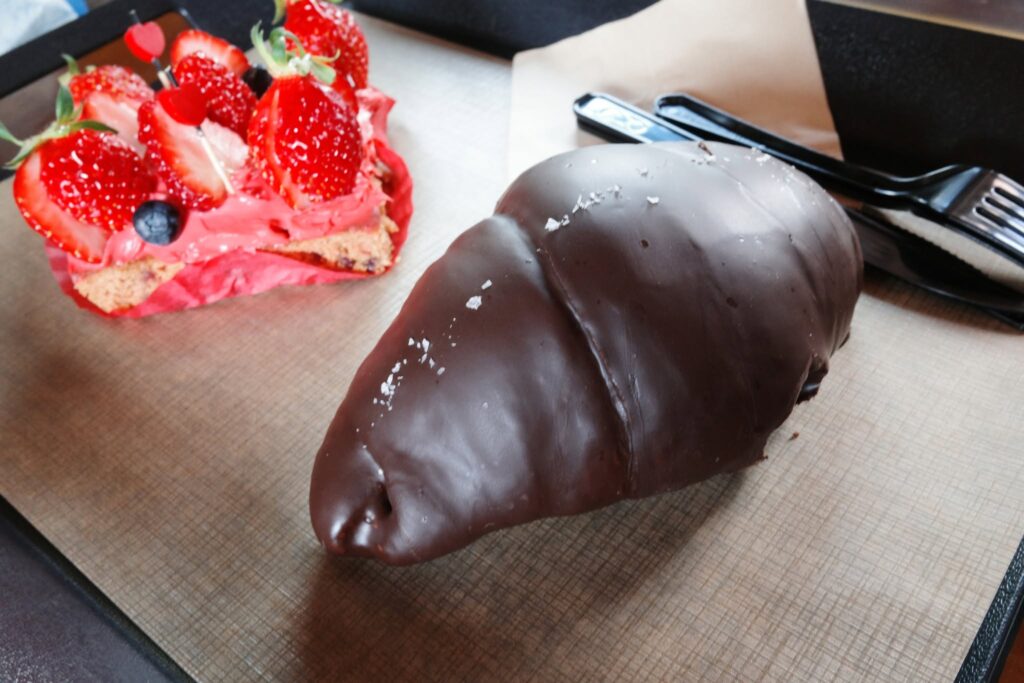
What to expect at Cafe Onion Anguk
This is one of the most popular cafes in Seoul, and it earns that reputation daily. The bakery churns out over 20 flavours of freshly made pastries and baked goods every single day — all of them beautifully presented, making the selection genuinely difficult. Consider yourself warned: you will be spoilt for choice.
How long is the wait?
Be prepared to queue. When we visited on a weekday, the waiting time was close to 30 minutes. On our first Seoul trip back in 2023, we walked past on a Saturday and the queue snaked all the way out to the front entrance. Our honest advice — arrive early, go on a weekday if possible, and set aside at least 2 hours to cover queuing, ordering, eating, and of course, taking plenty of photos. If you’re visiting on a weekend, budget even more time.
Is Cafe Onion Anguk worth the wait?
Absolutely — if you plan ahead. For anyone curating their list of must-visit Seoul restaurants and cafes, Onion Anguk is a genuine highlight that combines Seoul’s love of food, design, and culture in one place.
What to do nearby
The Anguk outlet is the most popular of Cafe Onion’s several Seoul locations, and its neighbourhood couldn’t be better placed for a full day of sightseeing. After your cafe visit, you’re just a short walk from two of Seoul’s most beloved attractions:
- Changdeokgung Palace — widely regarded as the most beautiful palace in Seoul and a UNESCO World Heritage Site
- Bukchon Hanok Village — one of Seoul’s most iconic neighbourhoods, filled with traditional Korean houses and picturesque alleyways
Doma Insadong — The Best Doenjang Jjigae in Seoul
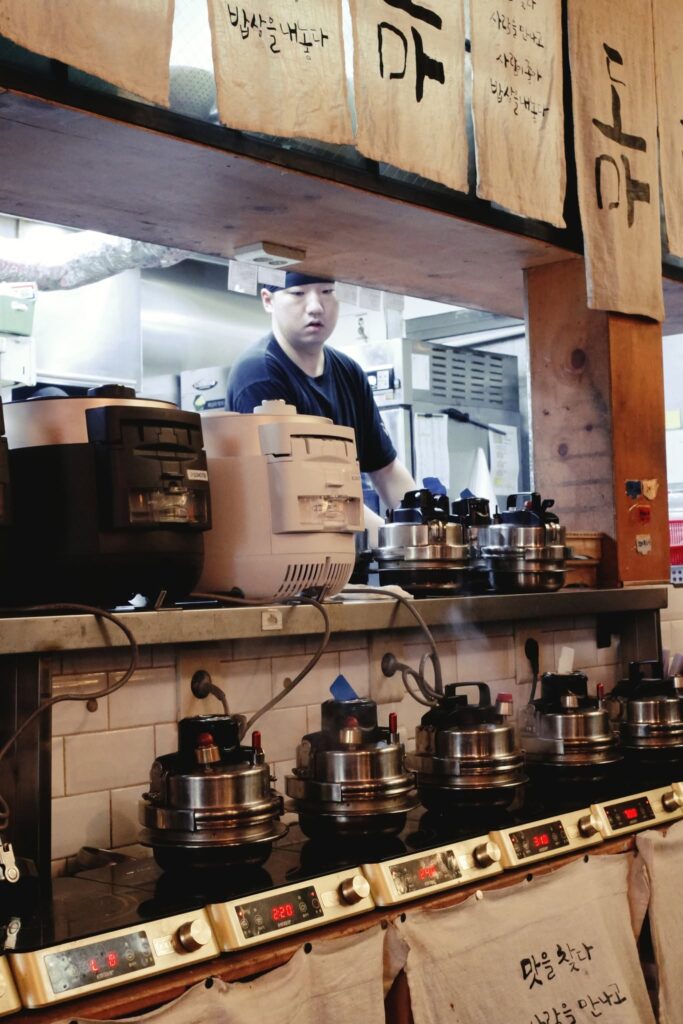
If you’re on the hunt for authentic Seoul food that goes beyond the usual tourist trail, Doma Insadong is a must-visit. While this popular Seoul restaurant is well known as a solid Korean BBQ spot, the real hidden gem on the menu is their outstanding Doenjang Jjigae — and that alone is reason enough to visit.
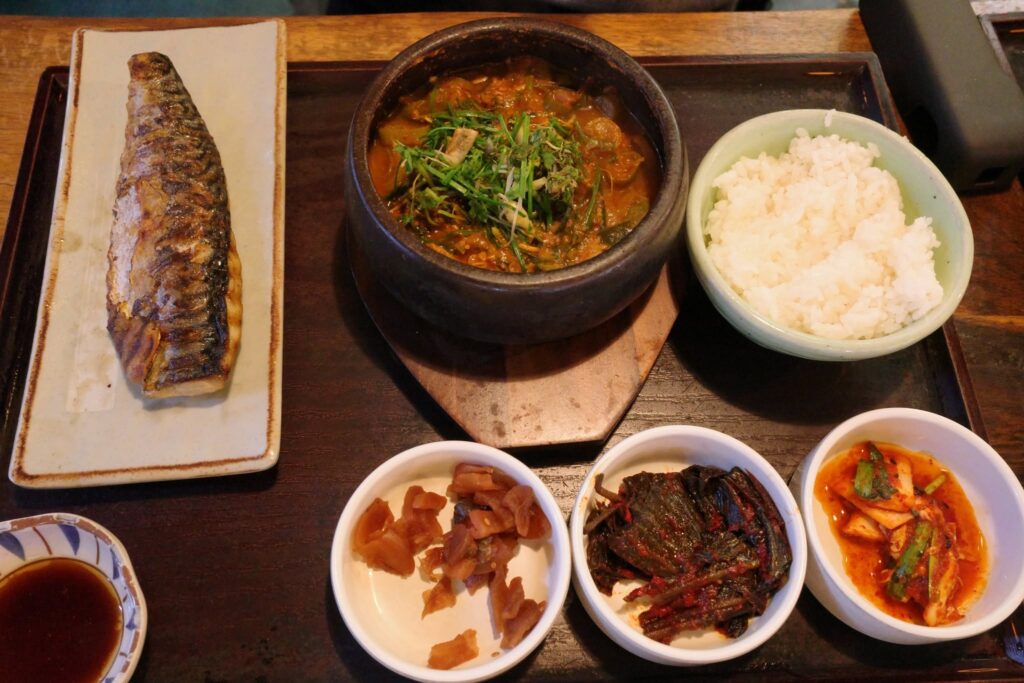
What is Doenjang Jjigae?
For the uninitiated, Doenjang is Korea’s traditional fermented bean paste — similar in concept to Japanese Miso paste or Chinese soybean paste, but more deeply fermented, giving it a bolder, more complex aroma and flavour. Doenjang Jjigae (Korean Soybean Stew) is a beloved staple in Korean households, sitting alongside Kimchi Jjigae (Kimchi Stew) and Soondubu Jjigae (Soft Tofu Stew) as one of the most comforting, soul-warming dishes in Korean cuisine.
Why Doma’s Doenjang Jjigae stands out
What sets Doma Insadong apart from other Seoul restaurants serving the same dish is the quality and generosity of their stew. While many places serve a watered-down version, Doma’s Doenjang Jjigae is thick, deeply flavoured, and loaded with ingredients — mushrooms, zucchini, silken tofu, and meat — all simmered to perfection. It’s the kind of bowl that warms you from the inside out.
It was so good, it brought us back for a second visit.
About the Insadong neighbourhood
Doma is located in Insadong, one of Seoul’s most charming and culturally rich neighbourhoods. Unlike the busy shopping streets of Myeongdong, Insadong offers a quieter, more authentic Seoul experience. It’s the go-to destination for unique, locally made souvenirs, traditional Korean tea houses, calligraphy brush shops, and even personalised ink stamp makers — a wonderful contrast to the more commercialised parts of the city.
What to do near Doma Insadong
After your meal, make the most of the Insadong area with these nearby highlights:
- Ssamziegil — a charming open-air cultural complex along Insadong Cultural Street, perfect for artisan shopping and people-watching
- Anyoung Insadong Shopping Mall — great for souvenir hunting and local snacks
- Museum Kimchikan — Seoul’s dedicated Kimchi museum, where you can learn everything about Korea’s most iconic fermented food
Inamjang Myeongdong — The Best Seollongtang in Seoul You’re Probably Walking Past
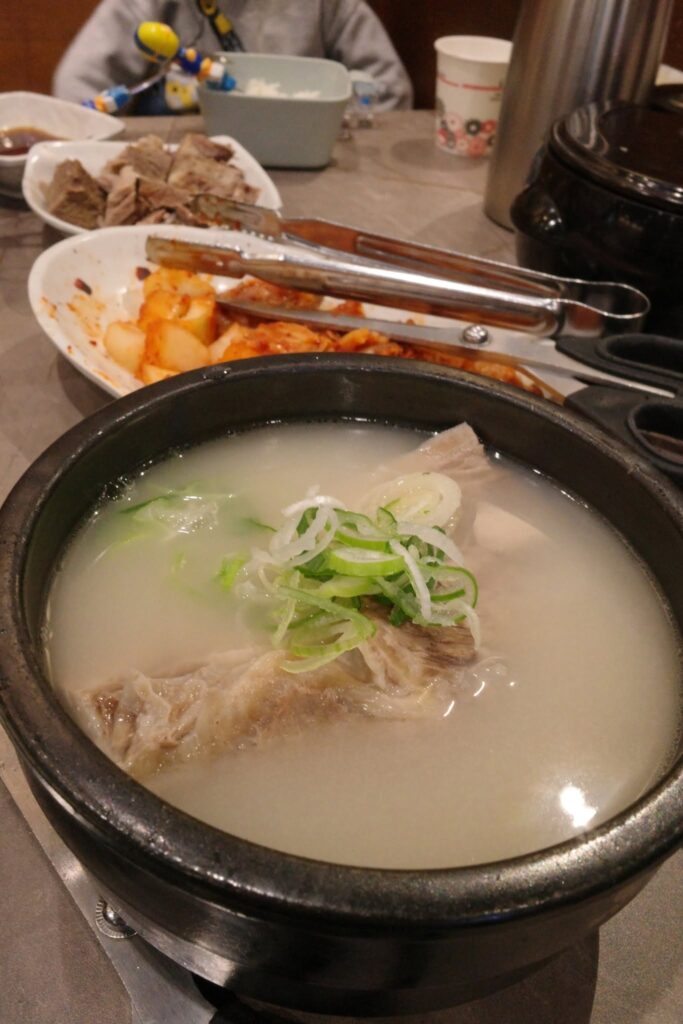
You’re in Myeongdong, hungry, and every popular restaurant has a queue snaking out the door. Before you give up or settle for the nearest convenience store, let me point you to one of the most underrated Seoul food gems in the area — Inamjang, a no-frills restaurant serving one of the best bowls of Seollongtang in Seoul.
What is Seollongtang?
Seollongtang (Korean Beef Bone Soup) may not have the same global recognition as Samgyetang (Korean Ginseng Chicken Soup), Galbitang (Short Rib Soup), or Dakgomtang (Chicken Soup) — but it deserves to be on every food lover’s Seoul restaurant bucket list. The magic of Seollongtang lies in its broth: beef bones simmered for hours until the soup turns milky white, thick, and deeply nourishing. It’s then served simply with salt, pepper, and chopped Korean leeks on the side, so you can season it exactly to your taste.
Why Inamjang stands out
While Seollongtang is generally milder in flavour compared to the more intensely savoury Samgyetang, Inamjang’s version more than holds its own. The broth is rich, silky, and deeply comforting — the kind of bowl that reminds you why Seoul food is so beloved around the world. The fall-off-the-bone beef is the star of the show, and it’s the very reason this restaurant deserves a permanent spot on your Myeongdong restaurant hit list.
What’s on the menu at Inamjang?
You have a few options here — you can have your rice and noodles served directly inside the soup, or opt for rice on the side. There is also free-flow rice and banchan (Korean side dishes) placed in the centre of the restaurant, which makes this an especially great Seoul restaurant pick if you’re dining with hungry kids or teenagers.
How to get to Inamjang
Inamjang is tucked towards the far end of Myeongdong, away from the busiest stretch of street food stalls and shops. It sits closer to Euljiro-1(il)-ga Station than to Myeongdong Station — worth knowing before you navigate.
Seo Won Juk Myeongdong — Seoul’s Best Abalone Porridge Since 1986
Staying at one of the many boutique hotels in Myeongdong, Seoul often means breakfast is either overpriced or underwhelming. But here’s the good news — Myeongdong is not just one of Seoul’s best shopping destinations. It’s also home to some genuinely outstanding breakfast options, and Seo Won Juk sits right at the top of that list.
What is Seo Won Juk?
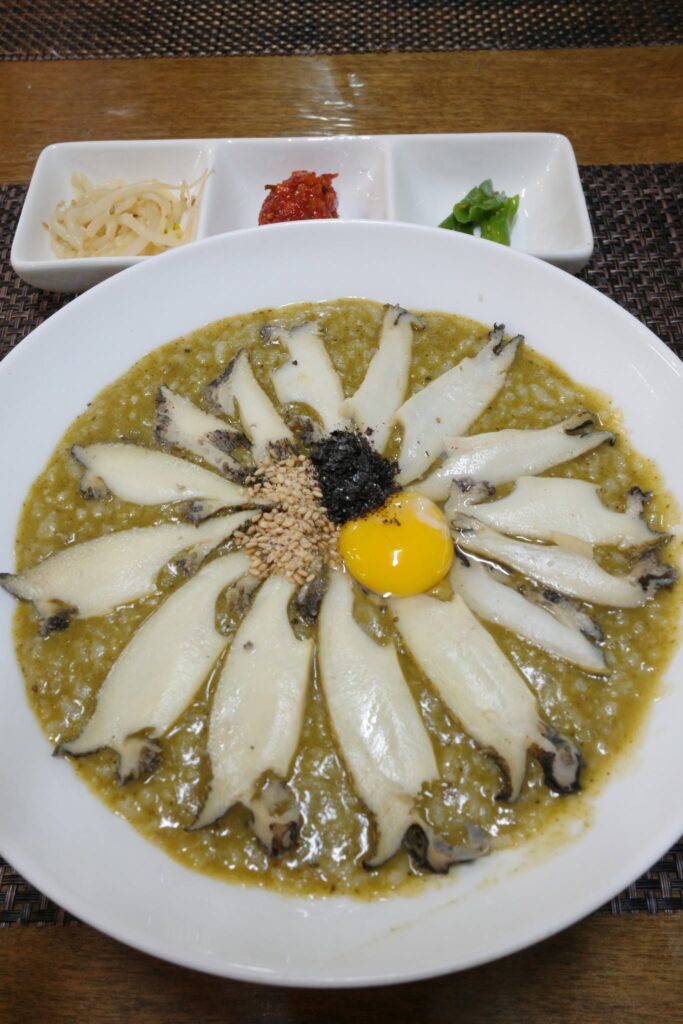
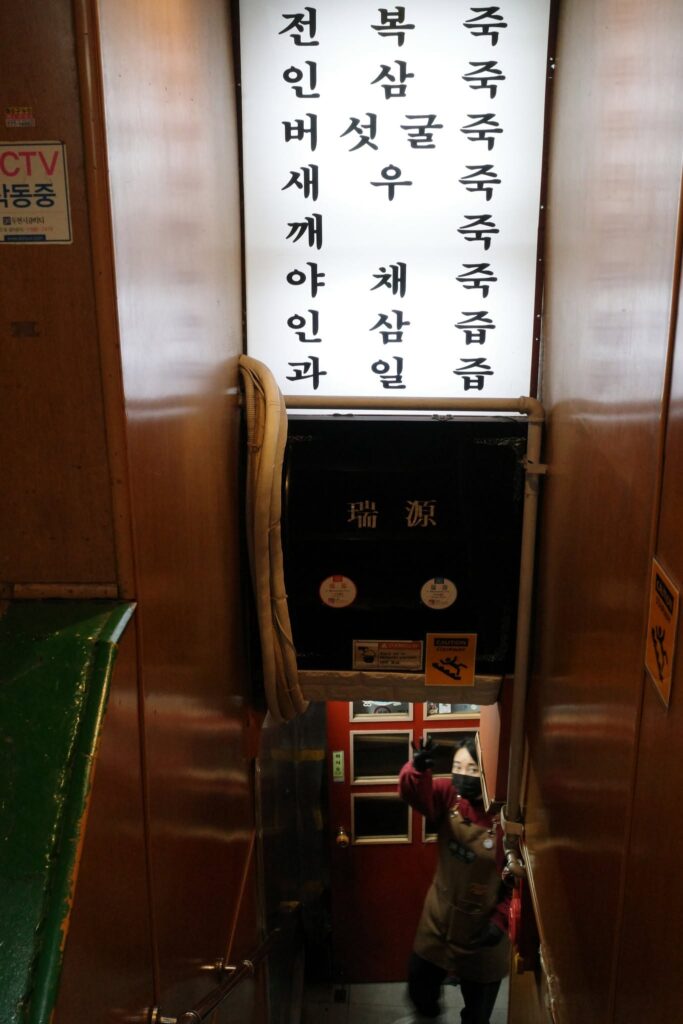
Seo Won Juk is a legendary Seoul restaurant that has been serving premium abalone porridge since 1986, making it the original and most established abalone porridge restaurant in the Myeongdong area. While several abalone porridge restaurants have since opened along the same street, none carry the same heritage, reputation, or loyal following as Seo Won Juk.
Abalone for breakfast? It sounds indulgent — and it absolutely is.
Why abalone?
Abalone is one of the most prized luxury seafood ingredients in Korean cuisine and across the wider Asian food community. Highly regarded for its rich nutrients and its reputation for boosting vitality and stamina, abalone has long been considered a top-tier ingredient reserved for special occasions. Having it as part of your Seoul food experience — especially first thing in the morning — feels like a genuine treat.
What to expect from the abalone porridge
We ordered the premium abalone porridge, the most luxurious item on the menu, and it delivered on every level. Every grain of rice was soft, silky, and perfectly cooked. The broth was bold, savoury, and deeply oceanic — the kind of flavour that lingers in the best possible way. The bowl was generously loaded with sliced abalone, and served alongside three banchan (Korean side dishes). In place of the usual kimchi, the banchan included seasoned squid — a highlight in itself.
Good news for fellow Singaporeans: the seasoned squid is available to purchase in-store, and the shop will pack it in a cooler bag for you to bring home. We carried ours all the way back to Singapore without any issues.
How long is the wait?
Be prepared to queue — especially on weekends. Our first visit was on a Saturday, and we waited 45 minutes before getting a table. It was absolutely worth every minute.
If you’re planning a Myeongdong food itinerary, put Seo Won Juk at the top of your breakfast list. For an iconic Seoul food experience that blends history, quality, and pure comfort in a single bowl, this is one Seoul restaurant you simply cannot skip.
Leesar Coffee Myeongdong — Seoul’s Most Unique Espresso Cafe
Tucked into a quiet corner near the buzzing Myeongdong Night Market, Leesar Coffee is one of those rare Seoul cafediscoveries that genuinely stops you in your tracks. Easy to walk past, impossible to forget once you’ve been inside.
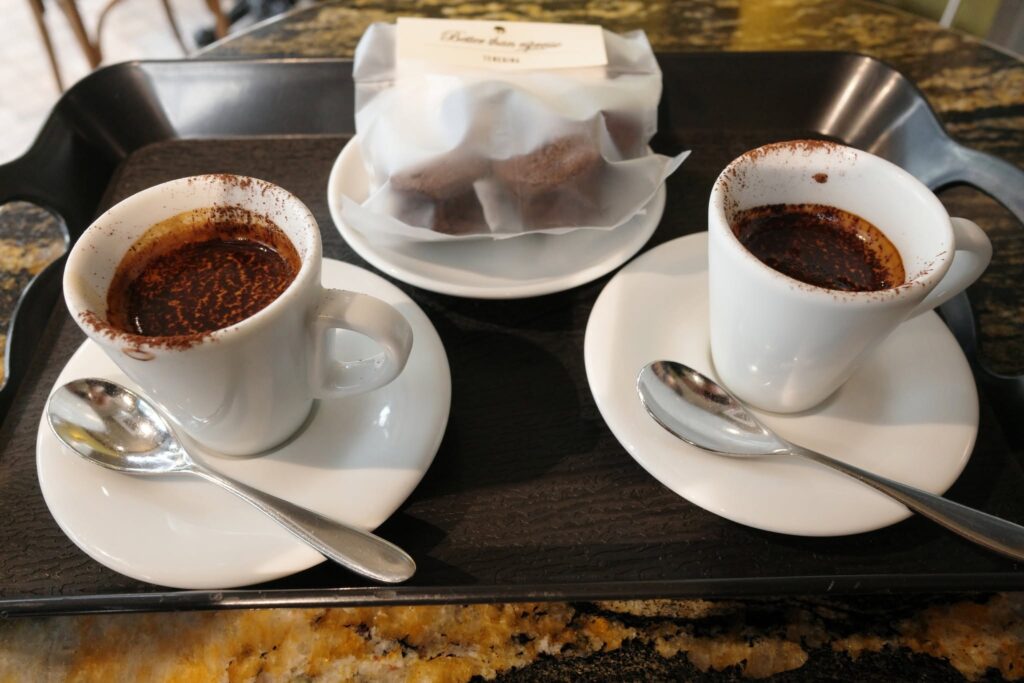
The atmosphere
The space is compact across two floors, but what it lacks in size it more than makes up for in personality. Dressed entirely in black, gold, and white, Leesar Coffee carries a striking modern gothic aesthetic that makes it one of the most visually distinctive cafes in Myeongdong. It’s effortlessly cool without trying too hard — and yes, it’s very instagrammable.
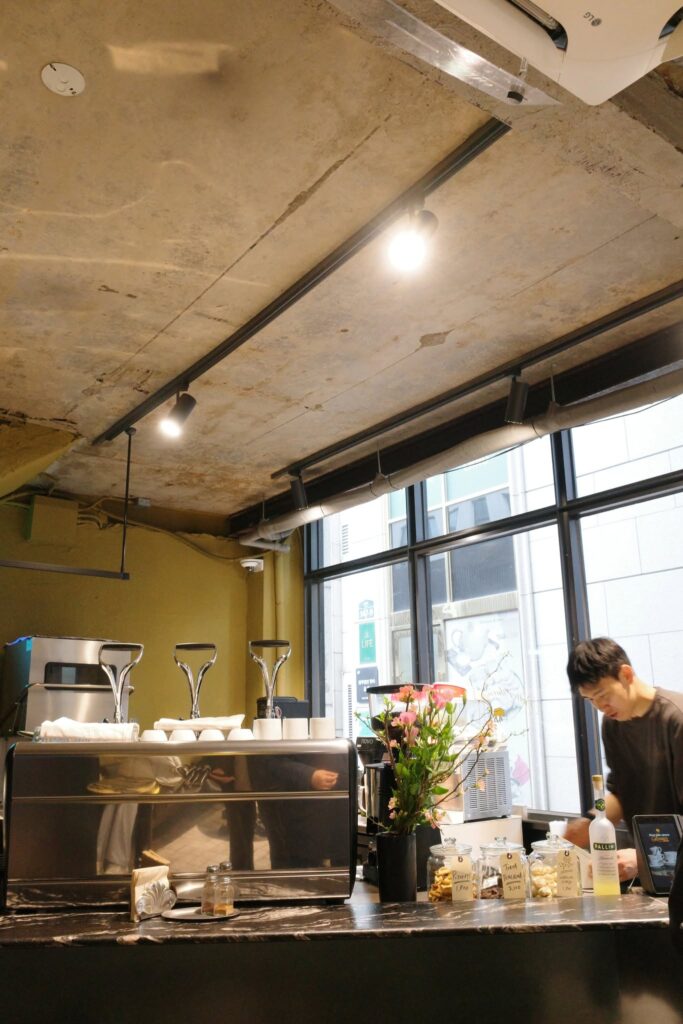
The espresso menu
Espresso is the undisputed star at Leesar Coffee, and this is where the Seoul cafe scene truly shines. Their signature drinks push creative boundaries in the best way. Standouts include the Caffe Pieno — a beautifully crafted espresso topped with cream and cacao powder — and the Caffe con Panna, a classic espresso nestled in a cloud of whipped cream.
Full disclosure: I am not an espresso person. Or at least, I wasn’t — until Leesar Coffee completely changed my mind. I had no idea espresso could be this creative, this interesting, and above all, this delicious. If you think espresso isn’t for you, this is the Myeongdong cafe that might just convert you.
The baked goods
Alongside their standout coffee menu, Leesar Coffee offers a selection of petite baked goods — and the portion size is absolutely perfect. Small, thoughtfully made, and just sweet enough without tipping into indulgence. For anyone exploring Myeongdong food who wants a light bite with their coffee without the guilt, these are an ideal pairing.
Our verdict
For the entire week we were in Seoul, Leesar Coffee became our morning ritual. We came back every single day — and that tells you everything you need to know.
If you’re building your list of must-visit Seoul restaurants and cafes around the Myeongdong area, put Leesar Coffee firmly on it. It’s a small space with a big personality, and an espresso menu that might just change the way you think about coffee entirely.
Shabu in Seoul (샤브인서울) Sinyongsan — A Hidden Gem Hotpot Restaurant in Seoul
Not all the best Seoul restaurants are found in the tourist hotspots of Myeongdong or Hongdae. Sometimes, the most memorable Seoul food experiences are the ones you have to seek out — and Shabu in Seoul (샤브인서울), located in the Yongsan neighbourhood, is exactly that kind of find.
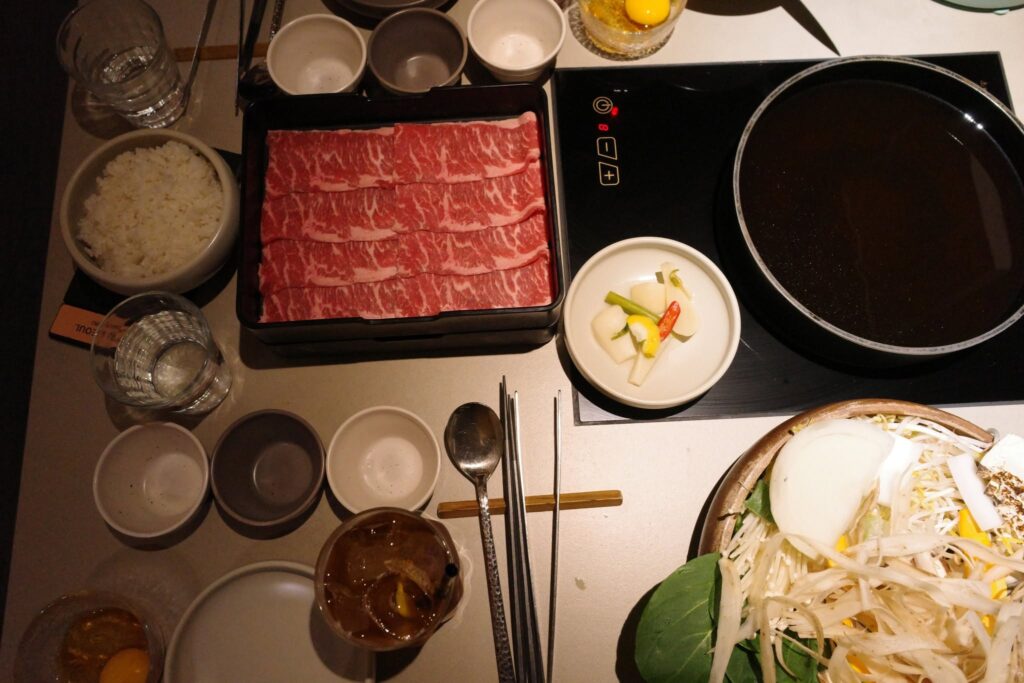
What is Shabu in Seoul?
Shabu in Seoul is a Korean-style hotpot restaurant in the Sinyongsan area, serving one of the most fresh and generous hotpot spreads we came across during our entire Seoul trip. While their signature offering is a bold, spicy broth, we opted for the Sukiyaki flavour soup base — a milder, subtly sweet Japanese-inspired broth that was perfect for dining with kids.
What’s in the hotpot set?
Every hotpot set arrives with a beautifully assembled basket of assorted fresh vegetables — and the variety genuinely impresses. Beyond the usual leafy greens, the set includes more unusual additions like burdock root and Vietnamese rice paper, which adds a fun, interactive element to the meal. For those who want to elevate the experience further, premium cuts of meat are available at an additional cost — and the quality is absolutely worth it. Every ingredient, from the meat to the vegetables, is strikingly fresh.
The dipping sauces
Each table comes with three dipping sauces, and the standout is hands down the Yuzu Soy sauce. Richer and more complex than the typical Yuzu Soy you’d find at Japanese hotpot restaurants, this version genuinely elevated every bite of meat and vegetable. It’s the kind of condiment that makes you keep going back for more.
Getting there and language tips
Shabu in Seoul Sinyongsan sits a fair distance from Seoul’s main tourist attractions, which means the English spoken here is limited. But what the team lacks in language, they more than make up for in warmth and patience. During our visit, the staff took the time to listen to our questions and requests, even pulling out Google Translate to make sure we were taken care of. That kind of genuine hospitality is something you simply can’t manufacture — and it made the whole experience even more special.
Our verdict
The freshness of the ingredients, the outstanding Yuzu Soy dipping sauce, and the sincere, earnest service from a team that went out of their way to accommodate a non-Korean-speaking family — all of it combined to make Shabu in Seoul one of the most heartwarming Seoul restaurant experiences of our trip. If you’re willing to venture slightly off the beaten path, this Seoul hotpot restaurant is absolutely worth the journey.
Hwayang-ri Meat Restaurant (화양리정육식당) — The Best Korean BBQ from a Butcher Shop in Seoul
If you’re searching for the freshest, highest quality Korean BBQ in Seoul, look no further than Hwayang-ri Meat Restaurant (화양리정육식당) — a beloved Seoul restaurant that started as a traditional butchery before expanding into a full Korean BBQ dining experience. And that origin story makes all the difference.
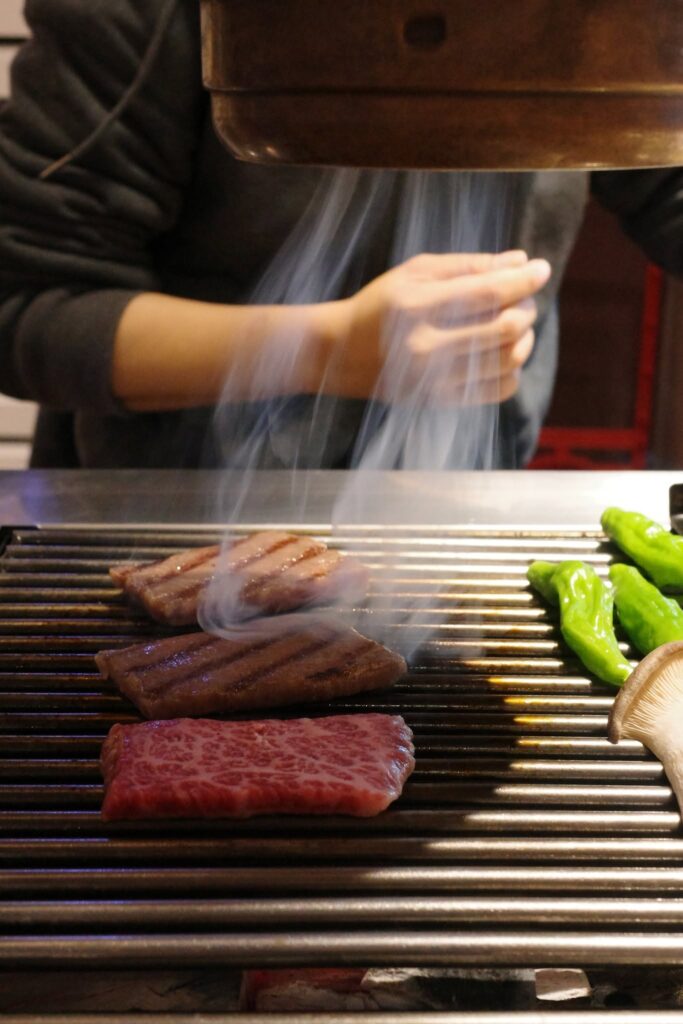
Why butcher-run Korean BBQ hits differently
Because Hwayang-ri began as a butchery, the meat quality and freshness here is on a completely different level compared to your typical Seoul BBQ restaurant. The proof is in the colour — the meat on display at the front counter is a vivid, bright red that signals peak freshness. Browse the full selection at the counter, or ask the staff for the menu if you’re after something specific. Either way, you’re in excellent hands.
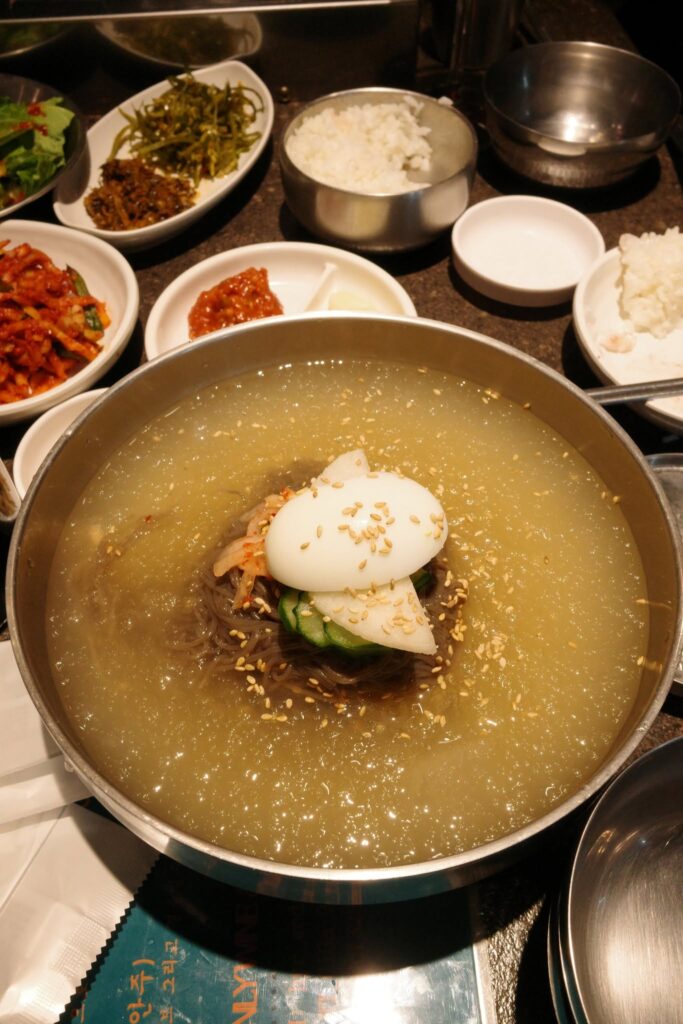
The Korean BBQ experience at Hwayang-ri
One of the great joys of having KBBQ in Seoul is the option to have the staff grill the meat for you — and Hwayang-ri is no exception. While DIY grilling is absolutely an option, having the experienced staff handle the cooking ensures every piece reaches perfect doneness. For families or anyone who wants to sit back and enjoy the experience without hovering over the grill, this is a game-changer.
The banchan spread
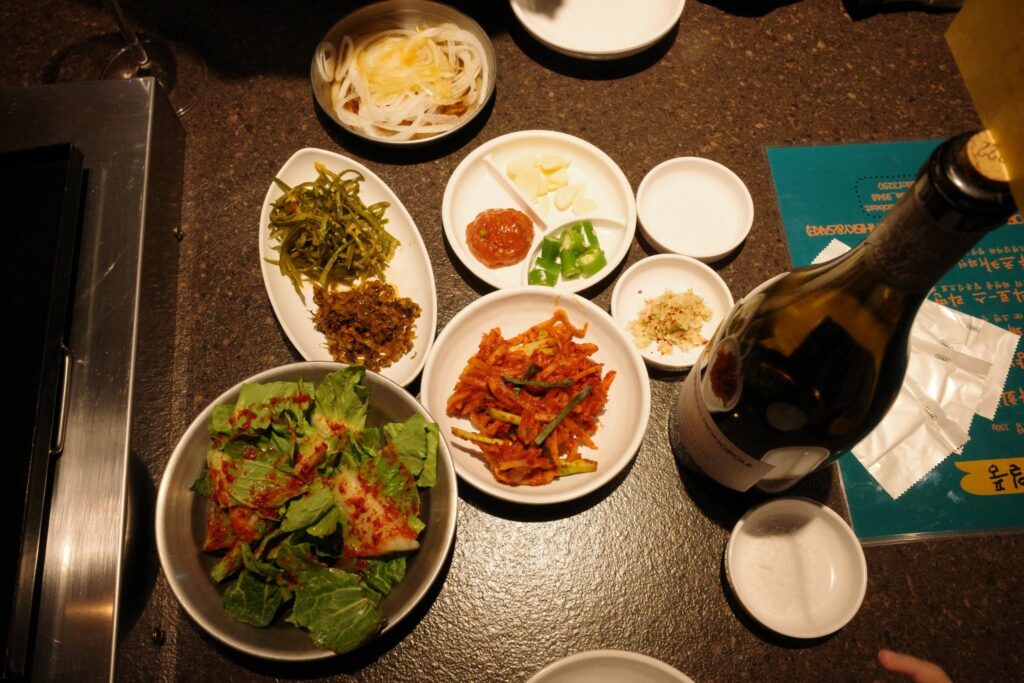
Beyond the meat, Hwayang-ri impresses with a generous spread of banchan (Korean side dishes) that goes well beyond the standard kimchi. The standout for us was the pickled onions served in a light, addictive sauce — a delicate mix of what tasted like light soy, sesame oil, and a touch of sugar. As someone who doesn’t typically enjoy raw onions, I was completely won over. Utterly addictive. The spread also includes fresh lettuce for wrapping and lettuce dressed in chilli sauce — the classic Korean BBQ accompaniments done right.
The A5 Wagyu — worth every bite
For our main protein, we went with the A5 Wagyu — and it was an easy decision to make. While it sits at the higher end of the menu price-wise, the value compared to other Seoul BBQ restaurants serving wagyu is genuinely impressive. The marbling was stunning, the meat was melt-in-your-mouth tender, and grilled to perfection by the staff member who assisted us. It was so good that both our kids asked for a second serving — and that says everything.
Corkage is free
Planning a birthday dinner or celebration meal in Seoul? Hwayang-ri offers free corkage, meaning you’re welcome to bring your own wine or bottle of choice. The staff will open and serve it for you — a thoughtful touch that makes this a great option for group dining and special occasions.
How to get there
Hwayang-ri Meat Restaurant is conveniently located approximately a 10-minute walk from Seoul Children’s Grand Park — making it an easy dinner stop if you’re spending the day in that part of the city. It’s slightly off the main tourist trail, but the Seoul food experience here is well worth the detour.
If you visit Hwayang-ri, drop your experience in the comments below — I’d love to hear what you thought!
Jeonju Food Guide — A Weekend Escape from Seoul for Korea’s Best Bibimbap
During our one week in Seoul, South Korea, we made a short side trip to Jeonju — spending 2 days and 1 night in what is widely regarded as the food capital of South Korea. If you’re a foodie travelling to Seoul, a Jeonju day trip or overnight stay absolutely belongs on your itinerary.
Why visit Jeonju?
Jeonju is most famous as the birthplace of Bibimbap, Korea’s most iconic rice dish, as well as the home of Makgeolli(traditional Korean rice wine) and a wealth of authentic Korean food experiences that even the best Seoul restaurantswould struggle to replicate. For us, the entire purpose of this trip was to revisit a handful of beloved eateries from our previous travels — and they delivered every single time.
When to visit Jeonju — crowds vs convenience
We visited on a weekday this time around, and Jeonju Hanok Village was noticeably quieter than during our previous weekend visit. With far fewer tourists, the centuries-old village of traditional Korean houses felt peaceful, unhurried, and genuinely atmospheric. If experiencing Jeonju Hanok Village without the weekend crowds is a priority for you, a weekday visit is the way to go.
One important caveat — many shops and smaller eateries in the village operate reduced hours or remain closed on weekdays, so plan ahead and confirm opening hours before you go.
Our Jeonju food picks
Below are the 3 eateries we returned to on this trip — each one a reason in itself to make the journey from Seoul to Jeonju.
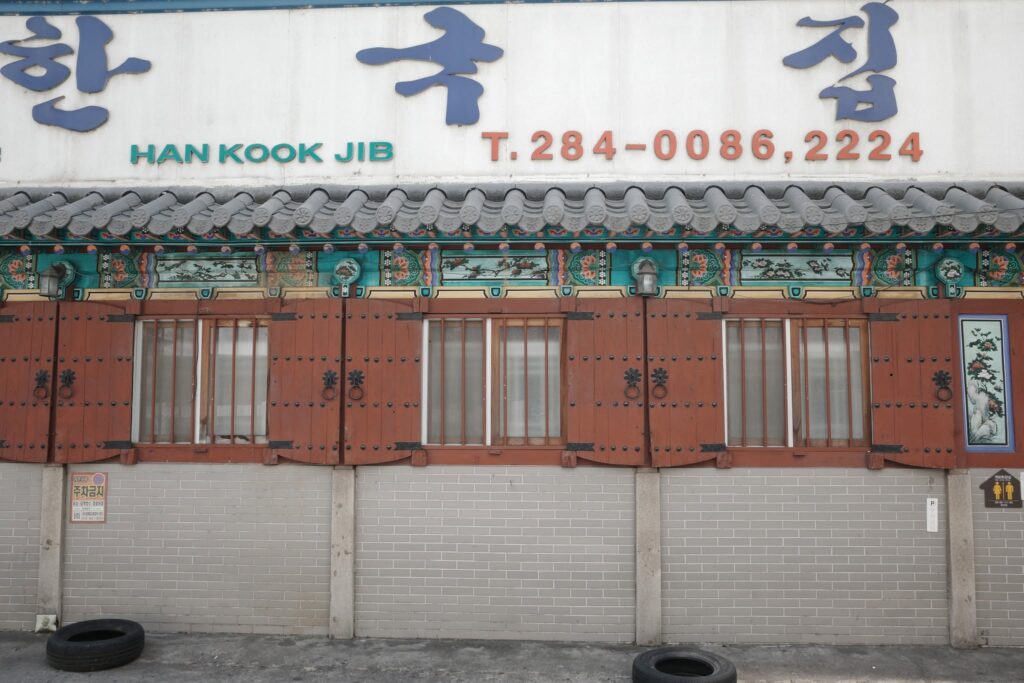
Han Kook Jib — The Best Bibimbap Restaurant in Jeonju
When it comes to authentic Bibimbap in Jeonju, Han Kook Jib stands in a league of its own. One of the oldest Bibimbap restaurants in Jeonju — and arguably in all of South Korea — this is the place to truly understand one of Korea’s most iconic dishes, right at its birthplace.
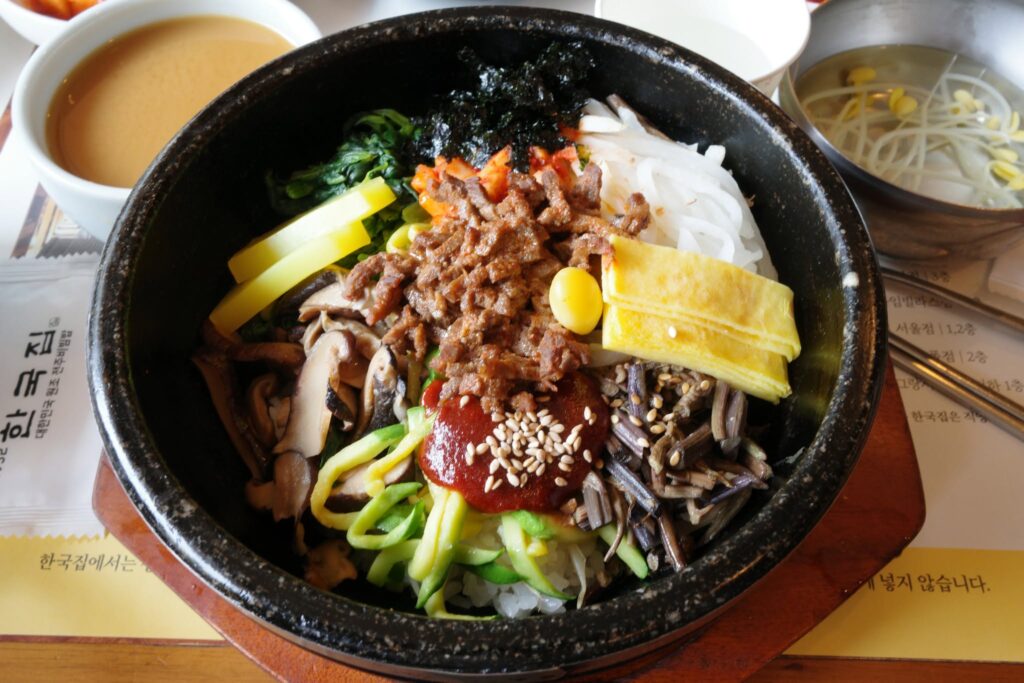
The origin story of Bibimbap
Did you know that Bibimbap was created in Jeonju? For those new to Korean food, every traditional Korean meal is built around a main dish, a bowl of rice, soup, and multiple banchan (Korean side dishes). Banchan can range from a simple plate of kimchi to an elaborate spread of seasoned vegetables, meat, and seafood — typically anywhere from one to six dishes per meal.
The origin of Bibimbap is beautifully humble. Before it became a celebrated dish in its own right, Korean families would gather all their leftover banchan at the end of the week, mix them together with rice and chilli paste, and serve it as one satisfying bowl. That simple, resourceful tradition is the foundation of what Jeonju Bibimbap is today.
What to order at Han Kook Jib
At Han Kook Jib, nothing about the Bibimbap is an afterthought. Every single topping — all ten of them — is individually cooked and carefully arranged over the rice before being served. The result is a beautifully composed, deeply flavourful bowl that bears no resemblance to the watered-down versions you might find elsewhere.
If you love meat, do not leave without also trying the Galbi-tang (Korean Beef Short Rib Soup). Historically a royal palace dish in ancient Korea — beef was once considered so precious that it was reserved exclusively for royalty — Galbi-tang remains one of the more premium dishes in Korean cuisine today. The clear, golden broth is served with generous chunks of tender beef short rib, sweet potato noodles, and golden mushrooms. It is deeply comforting and absolutely worth the splurge.
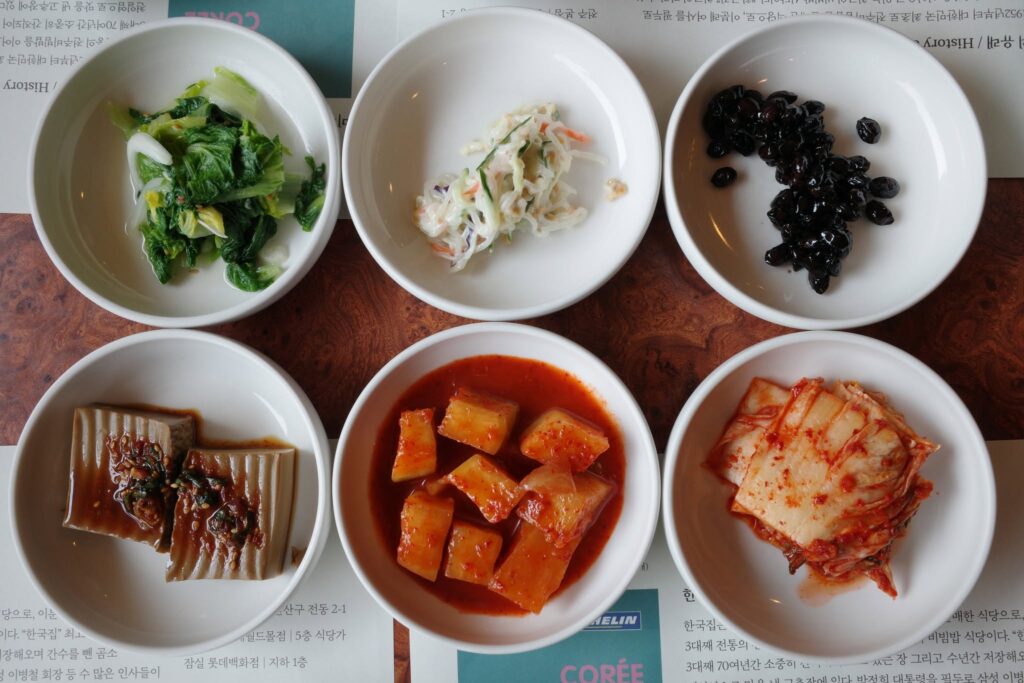
Cheonyun Nuri Bom — Jeonju’s Best Makgeolli Tavern
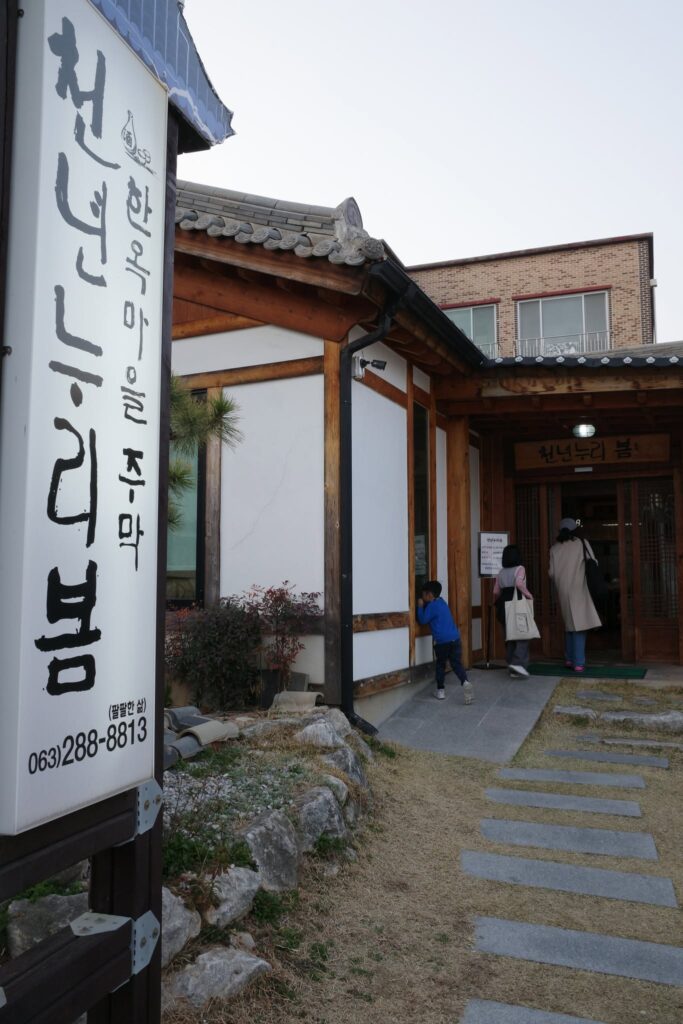
No Jeonju food guide is complete without a visit to a Makgeolli tavern, and Cheonyun Nuri Bom (천년누리봄, loosely translated as “Calm in a Thousand Years”) is one of the finest in the city.
What is Makgeolli?
Makgeolli is a traditional Korean sparkling rice alcohol with roots stretching back to the Three Kingdoms Period. Brewed by farmers using fermented rice, it carries a mild alcohol content of around 6–8% — similar to beer — making it light, refreshing, and very easy to enjoy over a long, leisurely meal.
What to expect at a Makgeolli tavern
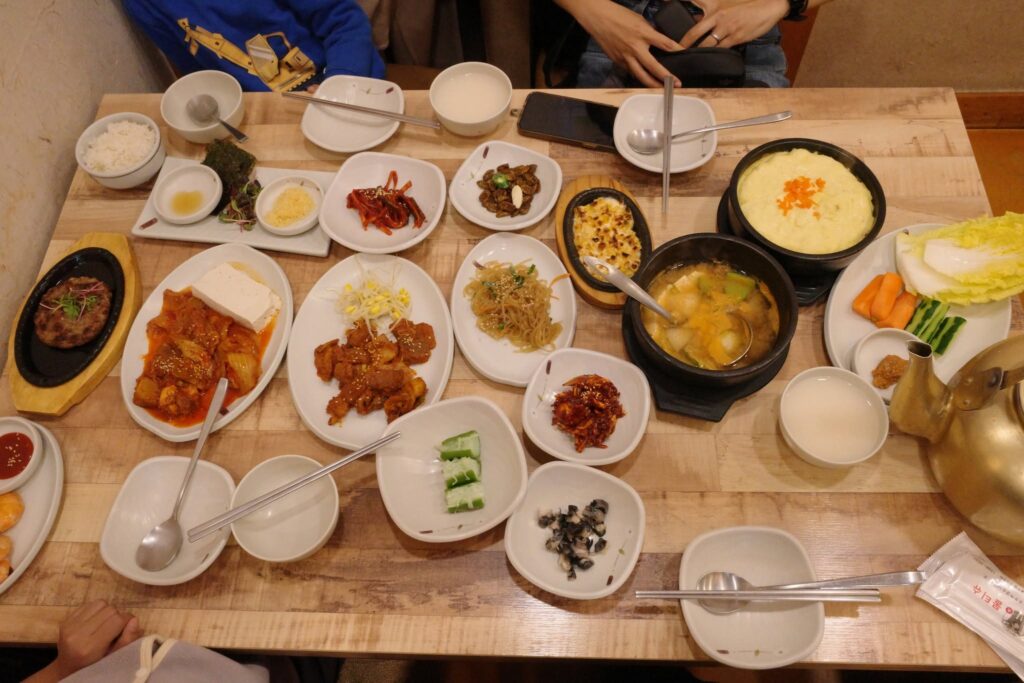
At a traditional Makgeolli tavern in Jeonju, the experience revolves around a large communal pot of Makgeolli accompanied by an array of small sharing dishes. Cheonyun Nuri Bom offers three set menu options, each arriving with around 14 mystery dishes — part of the charm is not knowing exactly what’s coming. There is also an à la carte menu for add-ons. We highly recommend the Gyeran-jjim (Korean Steamed Eggs) and the Haemul-pajeon (Korean Seafood Pancake) — both were outstanding.
Grandma’s Best — The Best Bingsu in Jeonju Hanok Village
When visiting South Korea, eating Bingsu is non-negotiable — summer, winter, or anywhere in between. This beloved Korean shaved ice dessert is most popular during the sweltering summer months, but we visited in March during early spring and it was equally wonderful.
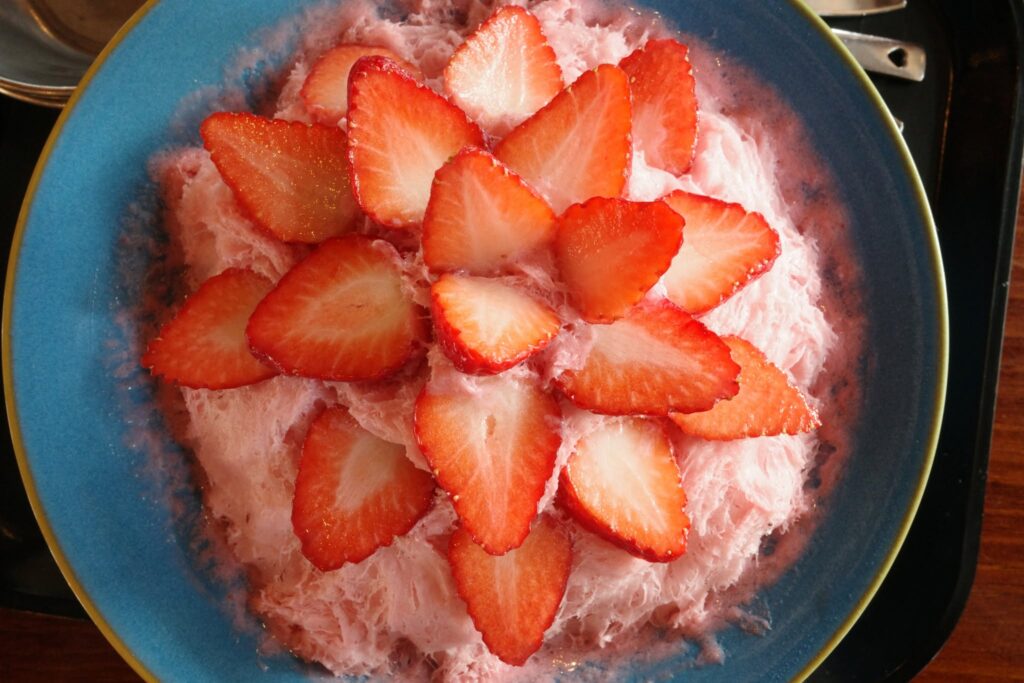
Grandma’s Best is one of the original, long-standing Bingsu shops in Jeonju Hanok Village, tucked a short five-minute walk from the main shopping street. It may be slightly off the main drag, but on weekends the queue outside is unmistakable — just follow the crowd.
How to order
Once seated, head to the kiosk near the front counter, enter your table number, and your order will be brought to you. Beyond Bingsu, the menu also includes Korean snacks, tea, and coffee.
What we ordered
While their classic Patbingsu (red bean shaved ice) is the original and much-loved signature, we went for the strawberry Bingsu — and it was extraordinary. The portion size alone is worth mentioning: one bowl was more than enough for two adults and two children. The shaved ice was piled high and blanketed entirely in fresh strawberries — so generously topped that it felt like our entire daily fruit portion in one gloriously indulgent bowl.
If you’re visiting Jeonju Hanok Village, make Grandma’s Best your dessert stop without hesitation.
Final Thoughts — Kids-Friendly Restaurants in Seoul and Jeonju
And that’s a wrap on our guide to the top 10 kids-friendly restaurants in Seoul and Jeonju! If you’ve always associated Korean food purely with kimchi and fermented banchan — honestly, so did I before our first trip — this guide is proof that the Seoul food scene has so much more to offer families travelling with children.
From hearty Seoul restaurants in Myeongdong to the legendary Bibimbap restaurants of Jeonju, every single stop on this list was kid-tested and parent-approved. If both my children had the time of their lives eating their way through South Korea, I’m confident yours will too.
Have you visited any of the restaurants featured in this Seoul food guide? I’d love to hear about your experience — drop a comment below and let me know your thoughts!
For more Seoul travel tips, Korean food recommendations, and daily updates, come find me on my social media channels. All the links are listed below.
Until the next adventure — see you in my next post!
Thank you for reading till the end of the post. I keep my work ad-free and open to everyone. If you’d like to fuel my next post, you can buy me a coffee here!
If you like what you read, share this with your friend. Or, you can visit me on my various social media for more content and daily updates.
Other Similar Post

Leave a Reply