
Chinese style fried bee hoon (炒米粉) was a lunchtime staple growing up. Whenever my mum wanted to put together something quick, or we didn’t feel like having rice, this was the dish she turned to. It was especially common during the school holidays, when she was busy keeping us kids occupied.
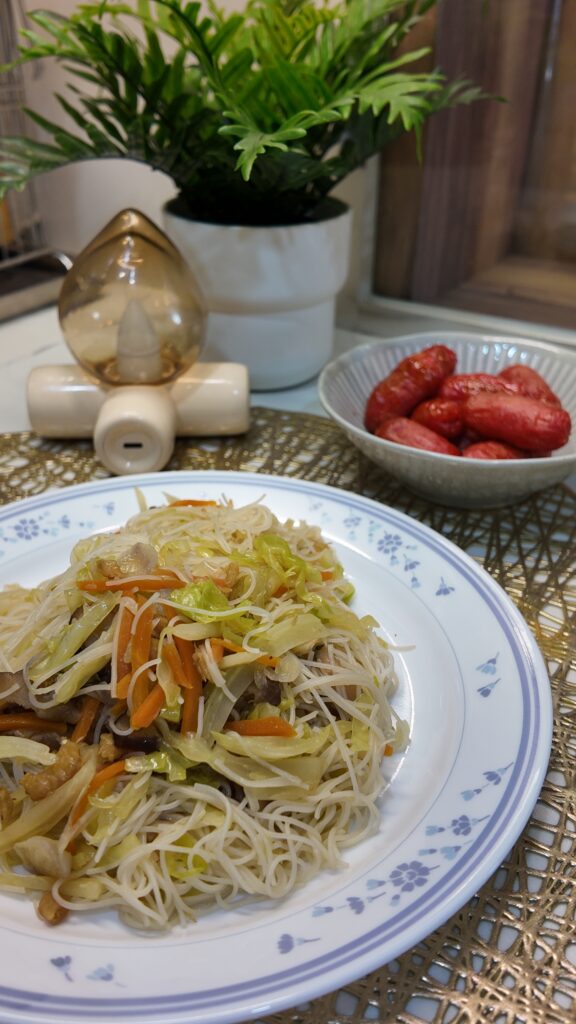
My mum learned this fried bee hoon recipe from my late paternal grandmother, whom we affectionately called Ah Ma. I stayed with her for 8 years before she passed on. It was one of the classic dishes she handed down to her daughters and daughter-in-law, and it still tastes like home to me.
Every Chinese household has its own style of fried bee hoon (thin rice vermicelli). Some versions use dark soy sauce and bean sprouts, while others add canned pig trotter. In Hong Kong, you’ll find Singapore-style noodles (星洲米粉) seasoned with curry powder. Even my own family had two versions of this easy fried bee hoon: a light soy sauce version and an oyster sauce version.
Bee hoon is incredibly versatile, and you can toss in almost any ingredient you like. What’s your favourite add-in for fried bee hoon? Tell me in the comments!
Pin Picture (Too Long? Pin Now Read Later)
What is Rice Vermicelli?
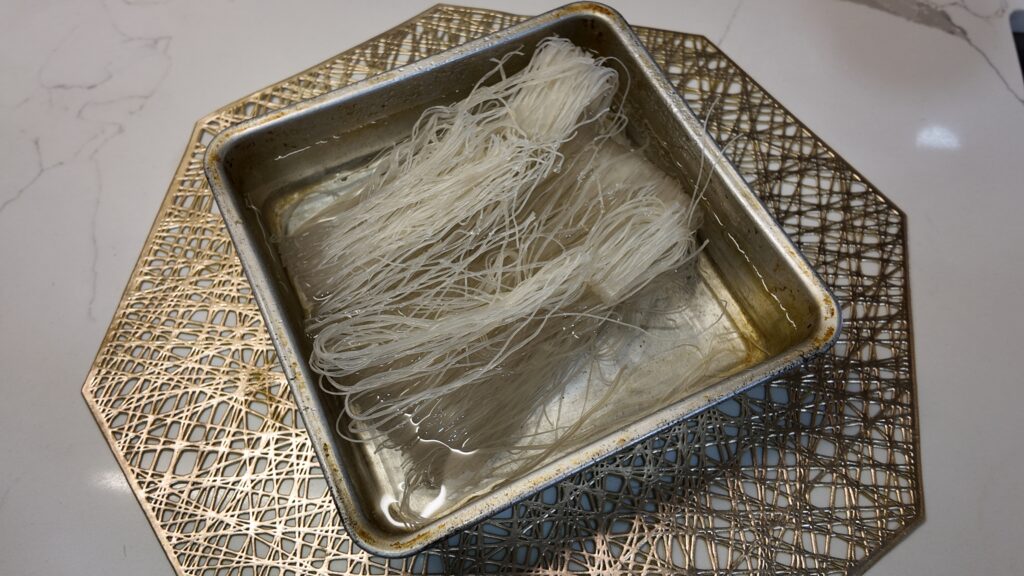
Rice vermicelli is made from rice and water and they are the thin form of noodles, typically white in colour. However, due to modern technology, brown rice are also being use, thus some rice noodles may be in light brown colour.
You can find Bee Hoon in many cultures across Asia in various forms. Today, they comes in thick or thin. You can serve it in salad style, stir fry, soup and the latest way of eating is charred bee hoon that was invented in Johor Bahru.
Key Ingredients for Flavourful Fried Bee Hoon
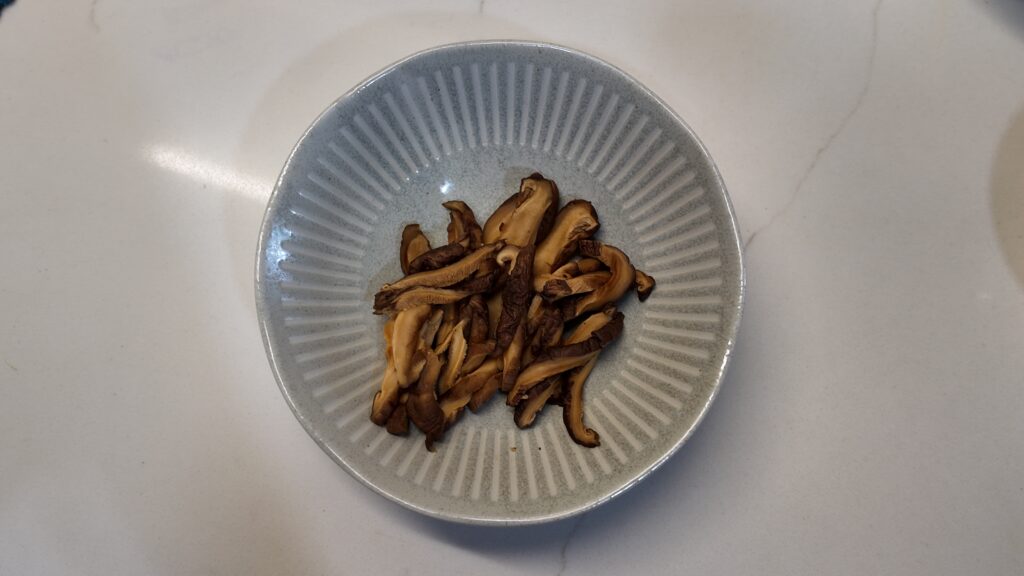
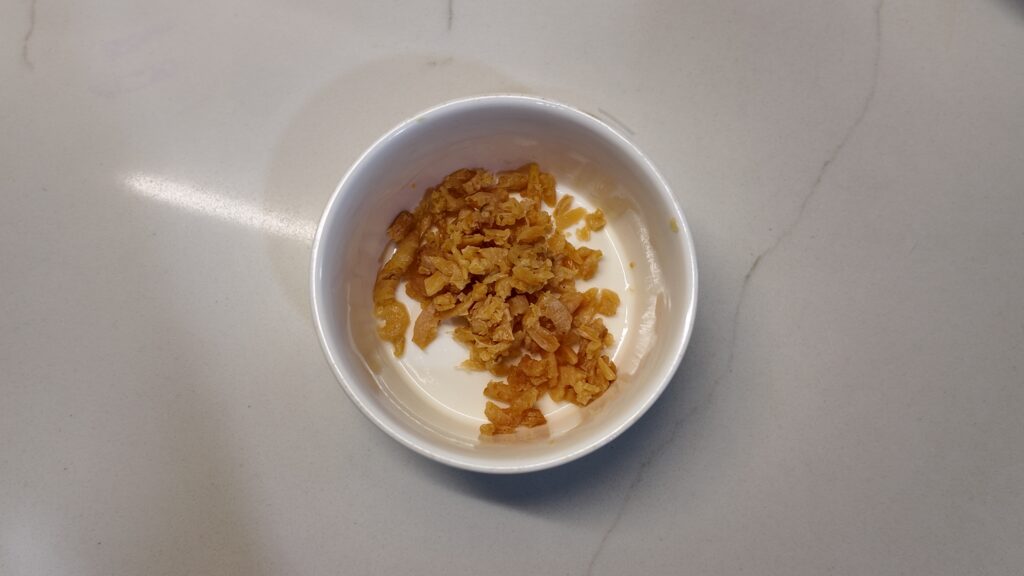
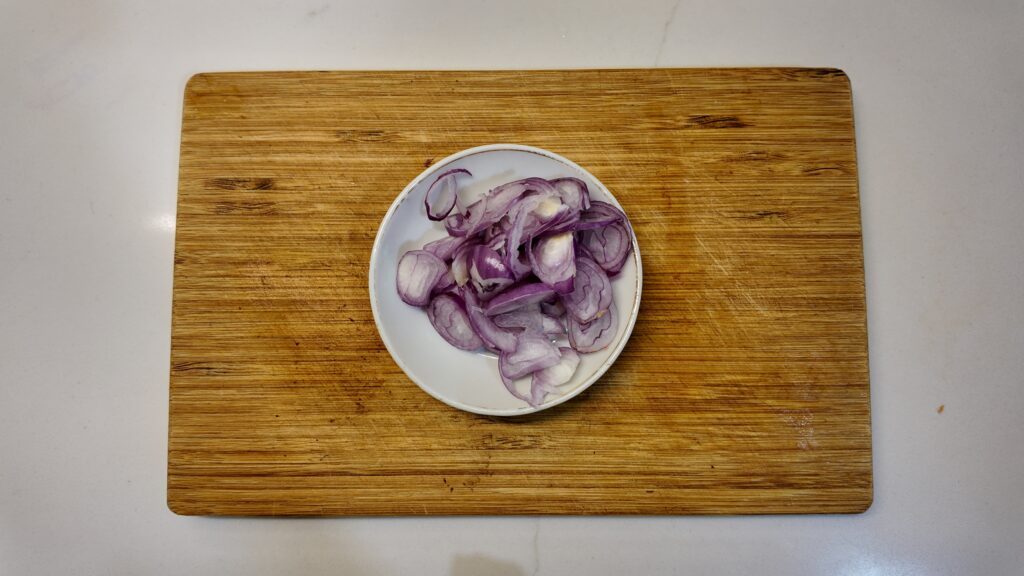
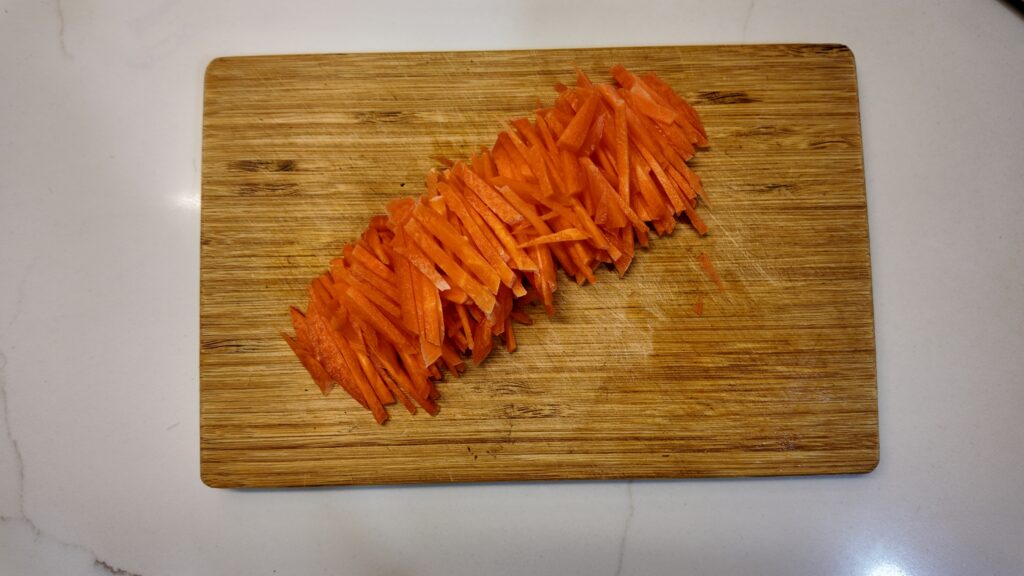
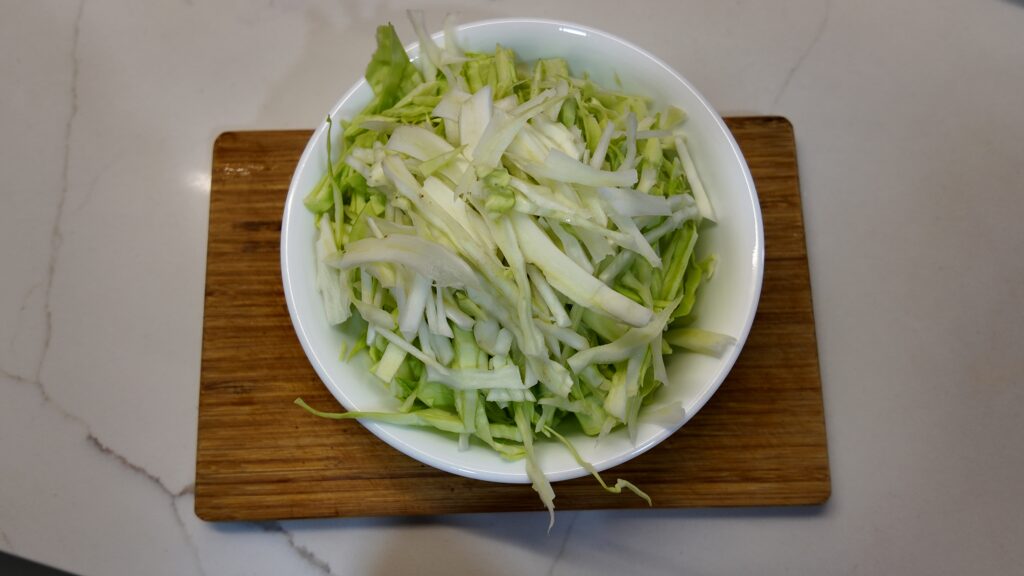
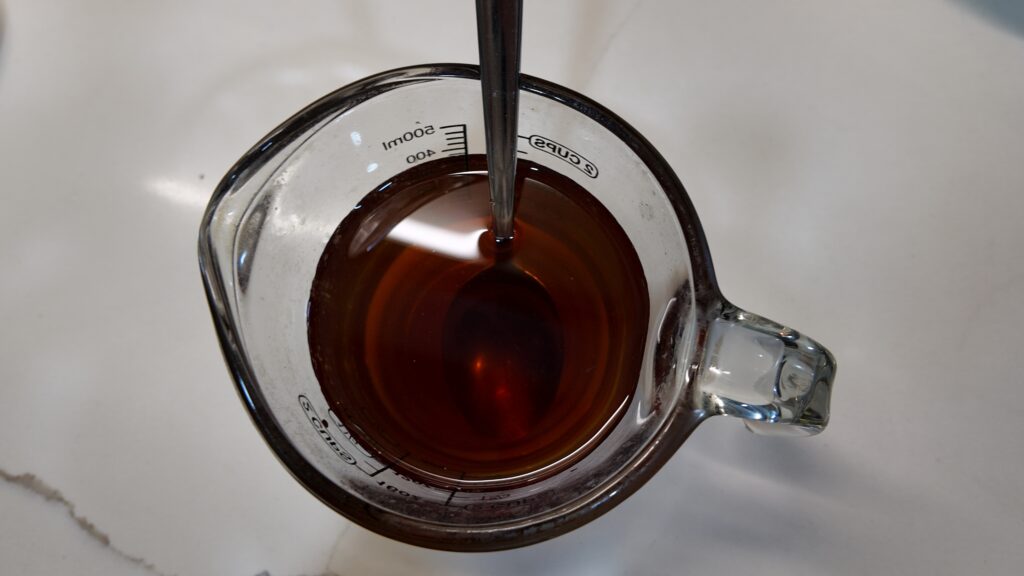
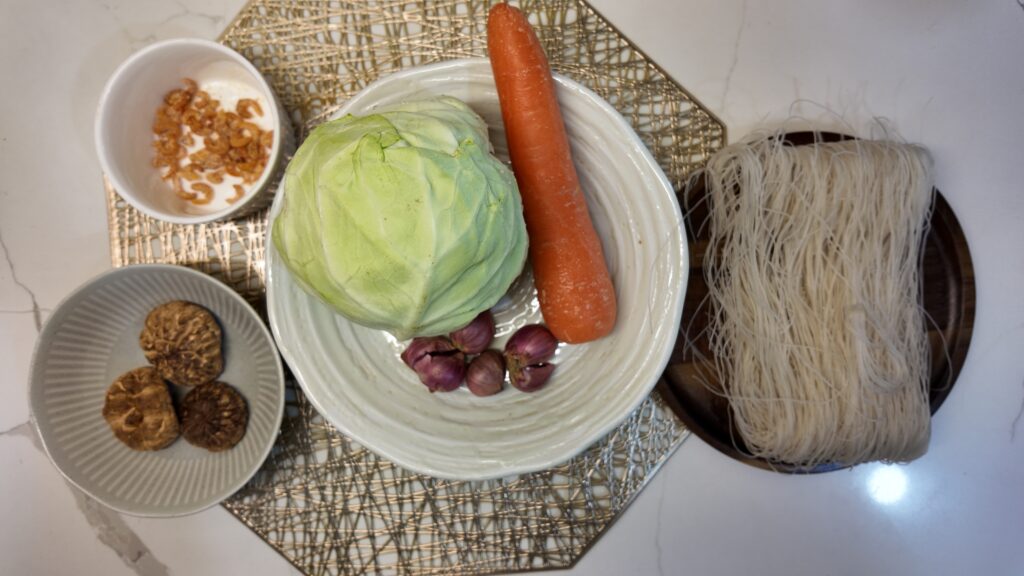
This simple fried bee hoon needs only a handful of ingredients, yet it’s packed with umami, that deep, rich, savoury flavour we all crave.
The secret to building that flavour lies in two pantry staples: dried shrimps and Chinese dried mushrooms. Since both are dehydrated, they need to be rehydrated in hot water before cooking. Give them enough time to soak up the water and cool to lukewarm, so you can slice them comfortably without burning your fingers.
Here’s a little time-saving habit of mine: when I boil water for my morning coffee, I boil a bit extra for the shrimps and mushrooms. By the time lunch rolls around, they’ve had plenty of time to soften and plump up, ready to go into your fried bee hoon.
If that doesn’t fit your schedule, you can also soak them in hot water the night before. Just let the water cool to room temperature, then pop the bowl into the fridge until you’re ready to cook.
For a balanced plate of Chinese style fried bee hoon, cabbage and carrots bring fibre, vitamins and a little sweetness. You can swap in other leafy greens, but there’s a reason my grandmother always chose cabbage. During festive seasons, relatives would visit in different batches, and the fried bee hoon often sat covered in the pot for hours. Leafy greens tend to turn yellow under those conditions, while cabbage stays fresh and crunchy. The carrots add a pop of colour, making the dish look as good as it tastes.
Step By Step Method
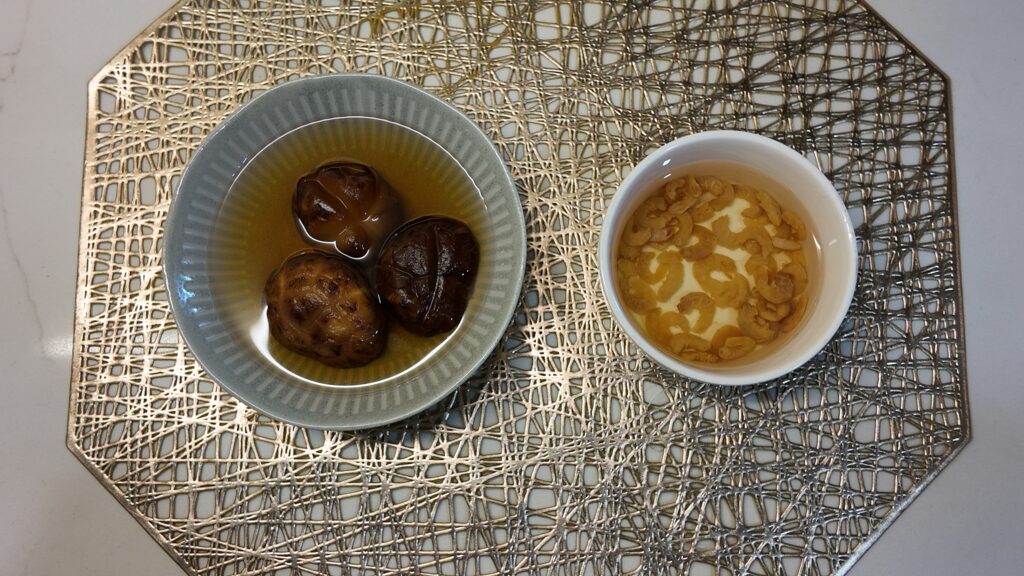
Bring 400ml of water to boil. Rinse dried mushrooms and shrimps and place them in separate bowl to rehydrate. Pour the hot water over. Use a small sauce plate to ensure that the mushrooms are fully submerge into the hot water. Cover the bowl and soak them for 3-4 hours until they are cold.
Prepare the rest of the ingredients. Peel and slice up the shallots. Thinly shred the cabbage. Julianne the carrot. Once the mushrooms and shrimps are done with the dehydration, remove them from the water. Combine the soaking water and put it aside. Slice the mushrooms thinly. If the stems are not removed before soaking, use a scissors to remove it and discard. Roughly chop up the dried shrimps.
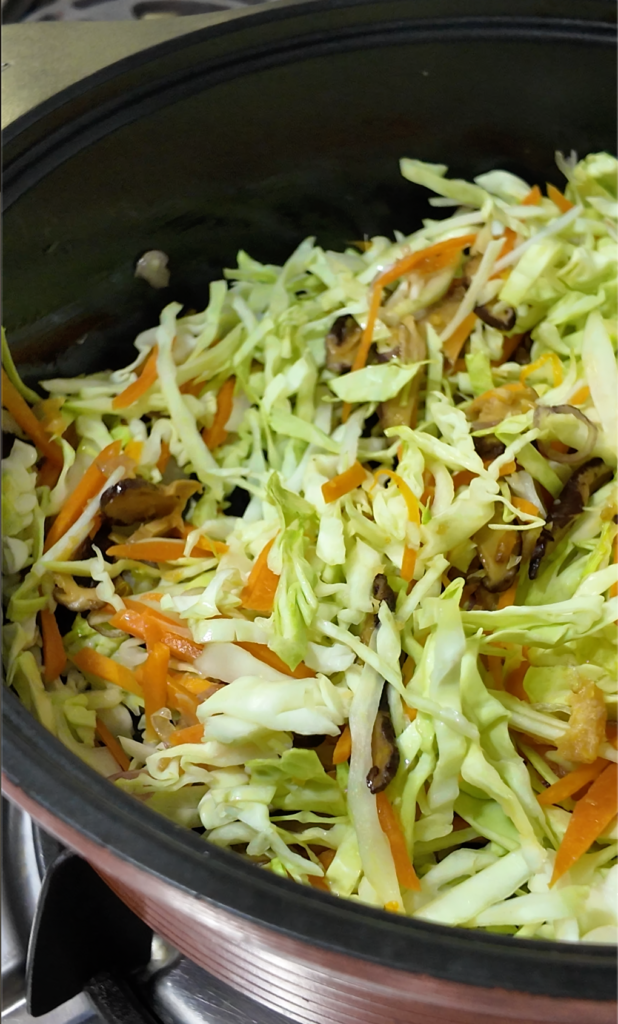
Once the mushrooms and shrimps are done with the dehydration, remove them from the water. Combine the soaking water and put it aside. Slice the mushrooms thinly. If the stems are not removed before soaking, use a scissors to remove it and discard. Roughly chop up the dried shrimps.
Add in soy sauce and sugar into the soaking water. Give it a good stir to dissolve the sugar. Add in additional water to 400ml
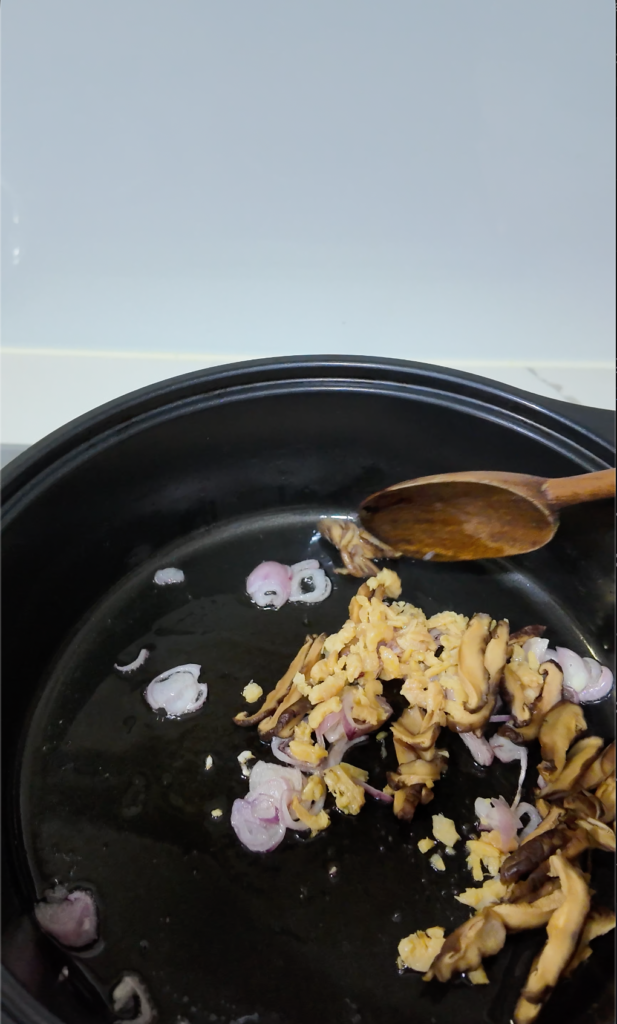
Heat up a frying pan/ wok with 2TBSP oil. Add shallot and fry till fragrance, slightly translucent. Add in mushrooms and shrimp and fry till fragrance.
Add in cabbage and carrots. Stir it a few times, pour roughly about 100-200ml of the stock. Cover and wait for the cabbage to cook down. Give a few stirs every now and then.
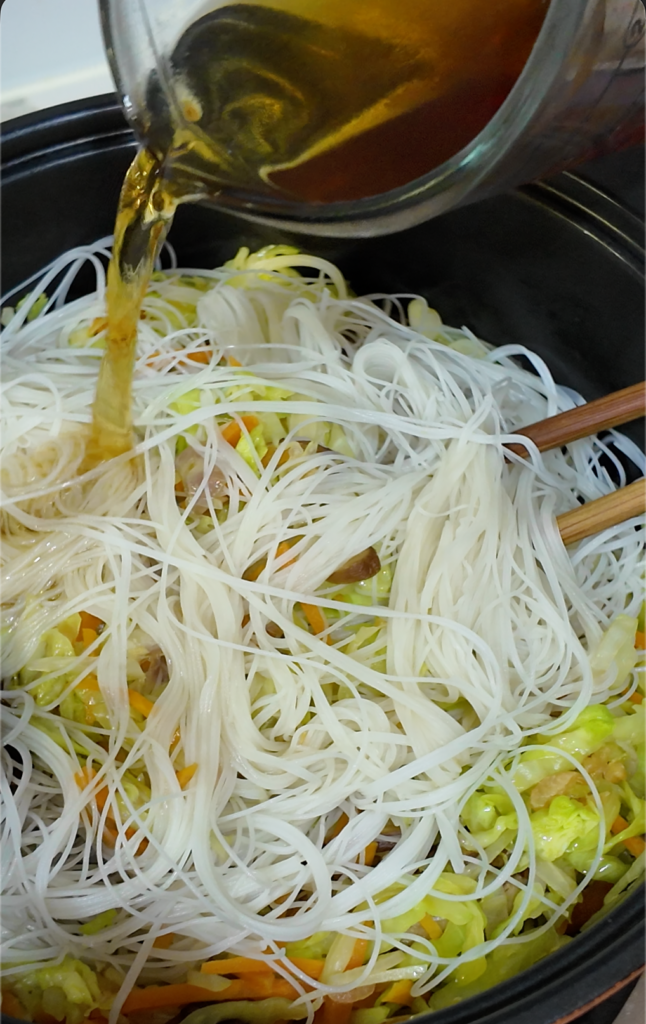
Once the cabbage is cooked through, add in the been hoon and the remaining stock water.
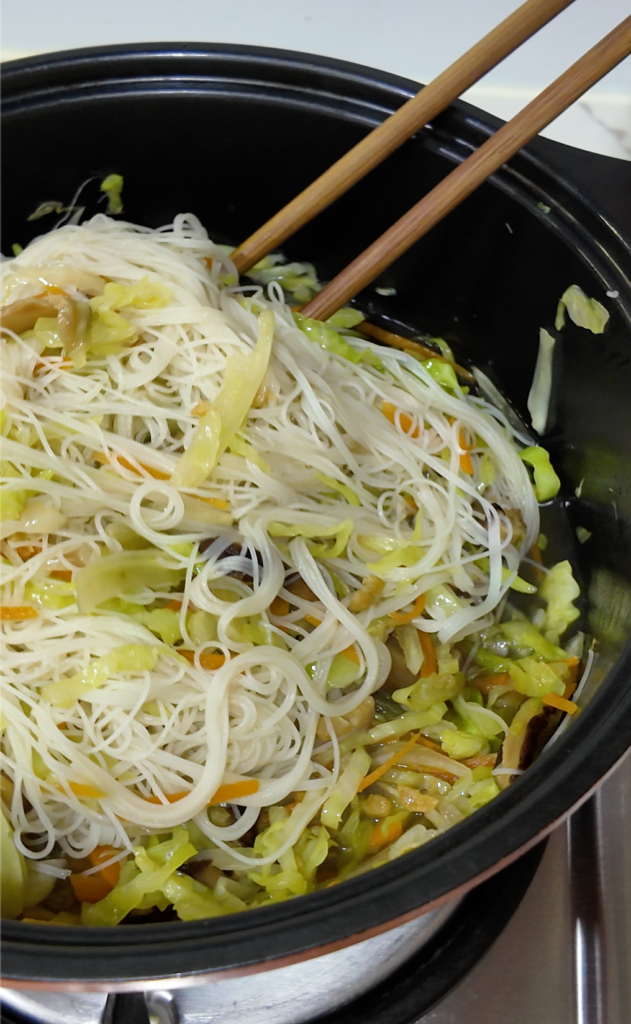
Using a spatula and chopstick or tongs, pull up the bee hoon every few minutes. This action will allow the veg and bee hoon to mix well together. Also allowing the top bee hoon to be soak in stock at the bottom. Once the stock is almost dry up, the dish is done.
What To Serve with Fried Bee Hoon
In Southeast Asia’s street food scene, hawkers usually sell fried bee hoon with convenient local sides such as fried tofu (tau kwa), luncheon meat, otah (spicy fish paste) and hotdogs. Another popular pairing is ngoh hiang (fried pork roll), and sometimes you’ll get a side of cabbage or beans too.
At home, this Chinese style fried bee hoon is perfectly satisfying on its own.
Since the dish already has vegetables and carbohydrates, adding some protein makes it a more balanced meal. The easiest way is a sunny-side-up egg or a simple egg omelette.
If you want something more intentional, pair your fried bee hoon with curry chicken. Drenching the bee hoon in the curry sauce is one of the best combinations you can have.
Final Thoughts on Chinese Style Fried Bee Hoon
Chinese style fried bee hoon (炒米粉) is the kind of dish that proves simple food can carry the deepest memories. With just a few ingredients, a handful of dried shrimps and mushrooms, and a little patience for soaking, you get a plate that’s rich in umami and full of home-cooked comfort.
Whether you prefer the light soy version or the oyster sauce one, enjoy it on its own, with a fried egg, or drenched in curry chicken gravy, this fried bee hoon recipe is easy to make and just as easy to make your own. It’s how my Ah Ma’s cooking lives on in my kitchen, and I hope it finds a place in yours too.
If you try this fried bee hoon at home, I’d love to hear how it turned out. Leave a comment below and tell me your favourite add-in or side dish. Don’t forget to save this recipe on Pinterest so you can find it again the next time you need a quick, satisfying meal.
Thank you for reading till the end of the post. I keep my work ad-free and open to everyone. If you’d like to fuel my next post, you can buy me a coffee here!
If you like what you read, share this with your friend. Or, you can visit me on my various social media for more content and daily updates.
Other Recipes


Home Style Fried Bee Hoon
Equipment
- Frying pan/ wok
- Chef's Knife
- Cutting Board
Ingredients
- 3 pieces Shallot
- 4 pieces Dried Chinese Mushrooms
- 2 tbsp Dried Shrimps
- 1/4 Cabbage
- 1/2 Carrot
- 1/3 pkt Dried Bee Hoon
- 2 tbsp Cooking Oil
- 2 tbsp Light Soy Sauce
- 1 tbsp Sugar
- 400 ml water
Instructions
- Bring 400ml of water to boil. Rinse dried mushrooms and shrimps and place them in separate bowl to rehydrate. Pour the hot water over. Use a small sauce plate to ensure that the mushrooms are fully submerge into the hot water. Cover the bowl and soak them for 3-4 hours until they are cold.
- Prepare the rest of the ingredients. Peel and slice up the shallots. Thinly shred the cabbage. Julianne the carrot. Once the mushrooms and shrimps are done with the dehydration, remove them from the water. Combine the soaking water and put it aside. Slice the mushrooms thinly. If the stems are not removed before soaking, use a scissors to remove it and discard. Roughly chop up the dried shrimps.
- Add in soy sauce and sugar into the soaking water. Give it a good stir to dissolve the sugar.
- Heat up a frying pan/ wok with 2TBSP oil. Add shallot and fry till fragrance, slightly translucent. Add in mushrooms and shrimp and fry till fragrance.
- Add in cabbage and carrots. Stir it a few times, pour roughly about 100-200ml of the stock. Cover and wait for the cabbage to cook down. Give a few stirs every now and then.
- Once the cabbage is cooked through, add in the been hoon and the remaining stock water.
- Using a spatula and chopstick or tongs, pull up the bee hoon every few minutes. This action will allow the veg and bee hoon to mix well together. Also allowing the top bee hoon to be soak in stock at the bottom. Once the stock is almost dry up, the dish is done.

Leave a Reply