
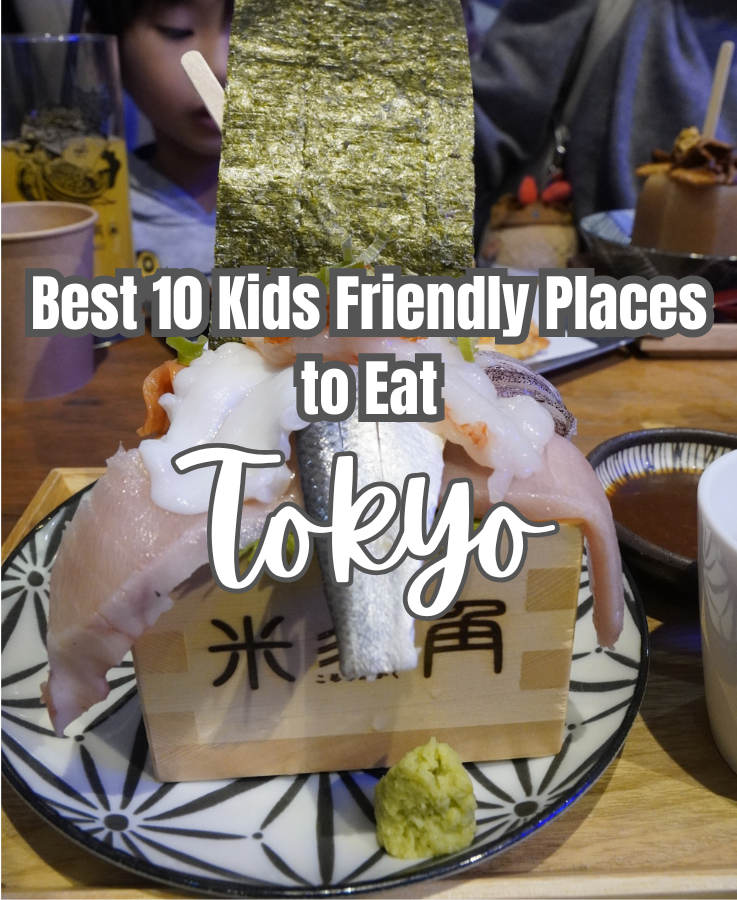
On the last leg of our Japan trip in 2025, we visited Tokyo — and it completely won us over as one of the best destinations for kids friendly food in Tokyo and beyond.
Often called the culinary capital, Tokyo is home to 14.2 million people and a food scene so vast and varied, it needs no introduction. What surprised us most was how effortlessly family-friendly it all was.
Head to Toyosu for the freshest sashimi, or explore Shinjuku’s best Izakayas for a lively dinner the whole family will enjoy.
Craving ramen? You’ll find incredible bowls tucked into alleyways across the entire city. The Japanese are renowned for perfecting their craft — which means you’d be hard-pressed to find a bad meal anywhere, whether you’re dining with toddlers or teenagers.
Tokyo is a pure culinary delight for food-loving families, with an incredible variety of kid friendly food options to suit even the pickiest of eaters. From familiar favourites to exciting new flavours, there’s something for every child. And don’t overlook the convenience of Tokyo’s thousands of konbini (convenience stores) scattered across every street — a lifesaver for hungry little ones on the go.
In this post, we’re sharing our top kids friendly food recommendations in Tokyo — tried and tested with our own kids in tow. One thing we especially loved was how many restaurants keep their menus focused and intentional, with every dish a signature creation that’s been carefully crafted and perfected.
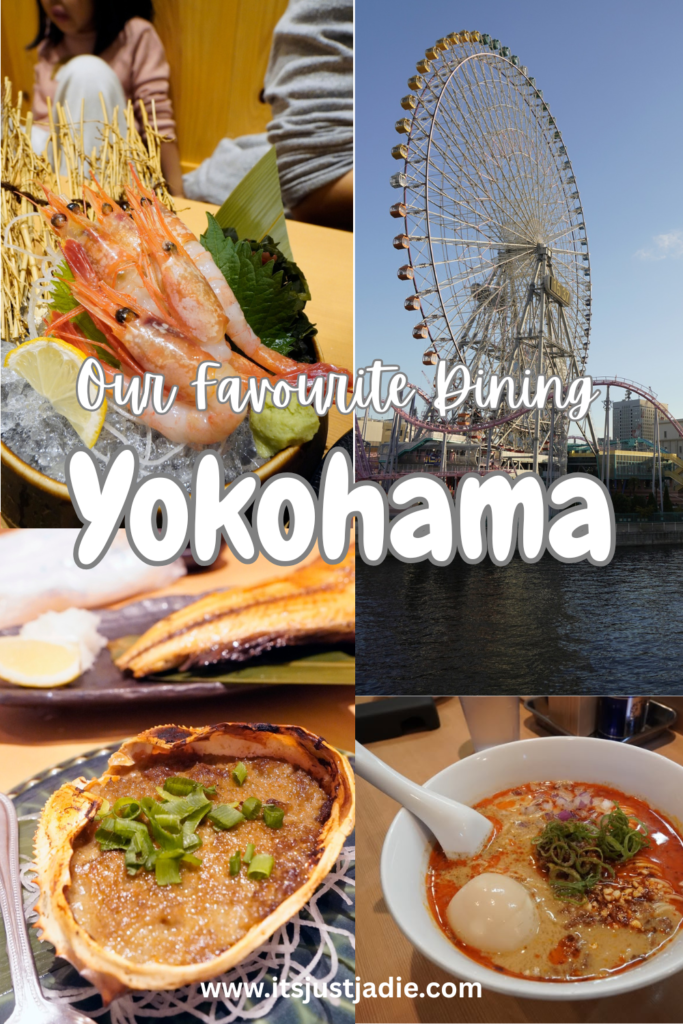
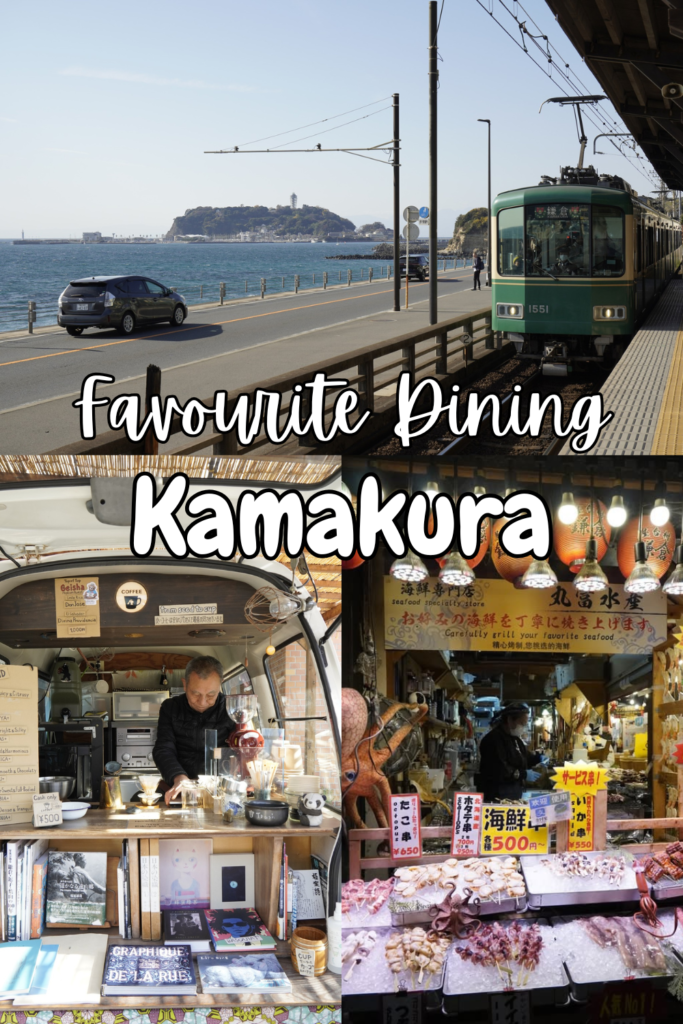
Also read: What We Ate in Yokohama and Kamakura.
Pin First Read Later
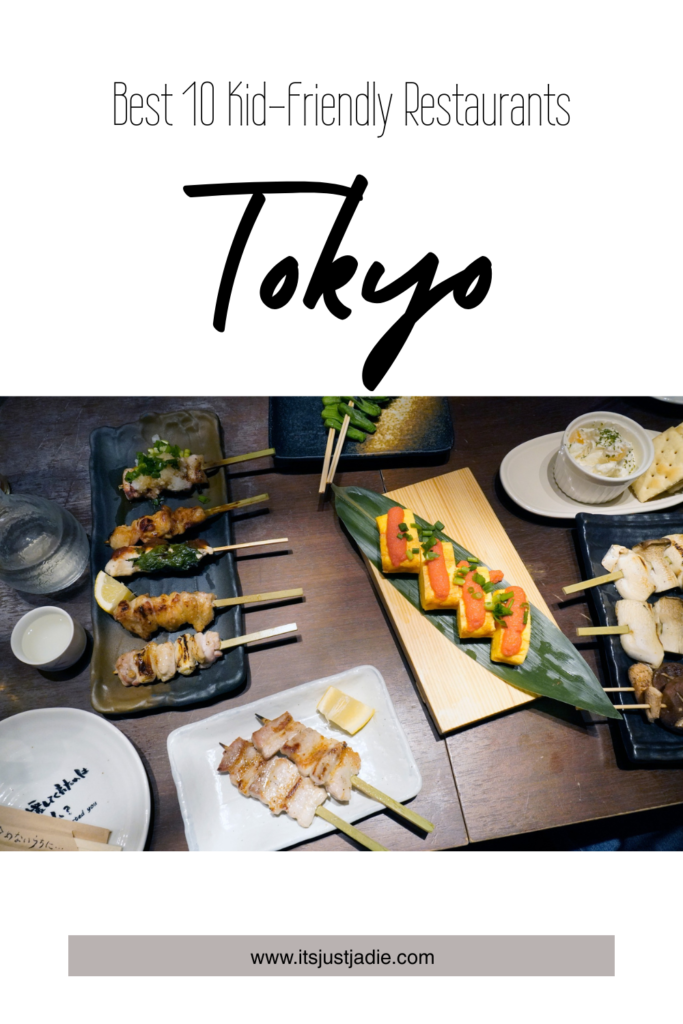
Fukumimi Hanare – Tokyo’s Most Charming Izakaya
Fukumimi Hanare is an izakaya unlike any other, starting right from the entrance. The doorway stands at roughly chest height — meaning every adult has to bow just to walk in. It’s a small detail, but one that immediately sets the tone for the kind of place this is: warm, playful, and full of personality.
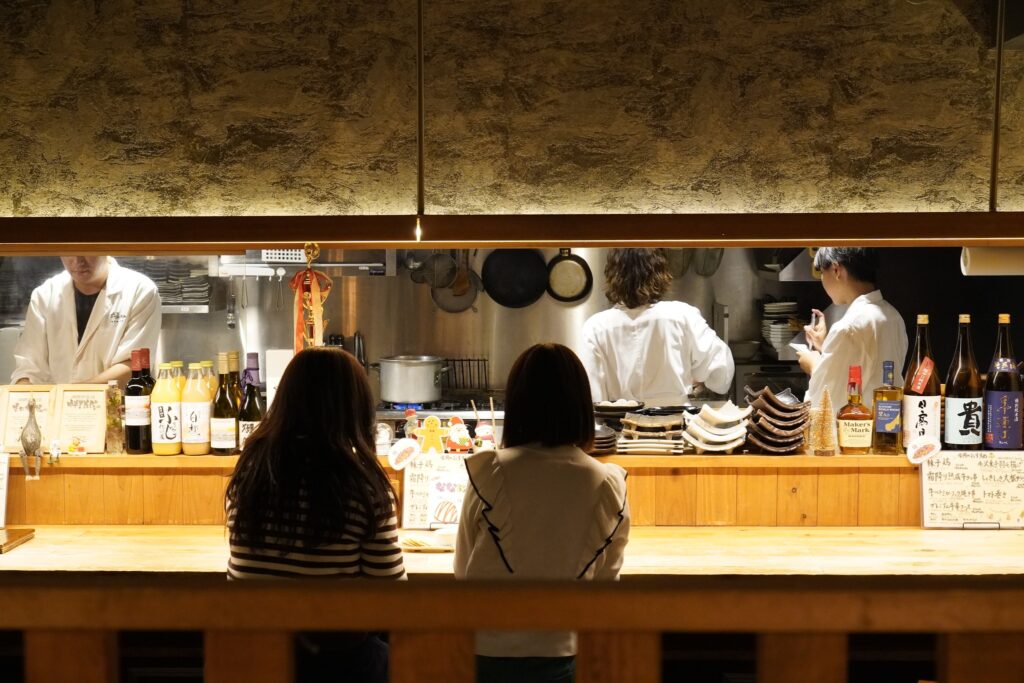
And it only gets better inside.
The Rubber Chicken That Runs the Room
Every table comes equipped with a rubber chicken — yes, a squeaky toy. At first glance, it seems like a quirky gimmick. But as the evening fills up and the restaurant hums with lively chatter, you’ll quickly realise its purpose: give it a squeeze to flag down the staff. It’s noisy, it’s silly, and it works perfectly.
What to Eat
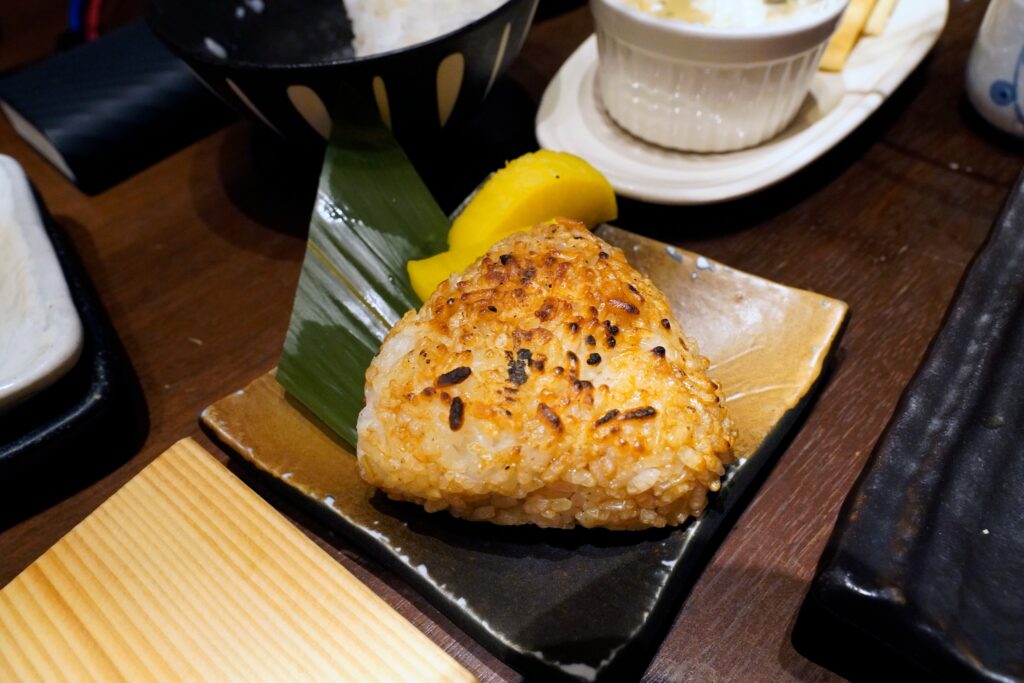
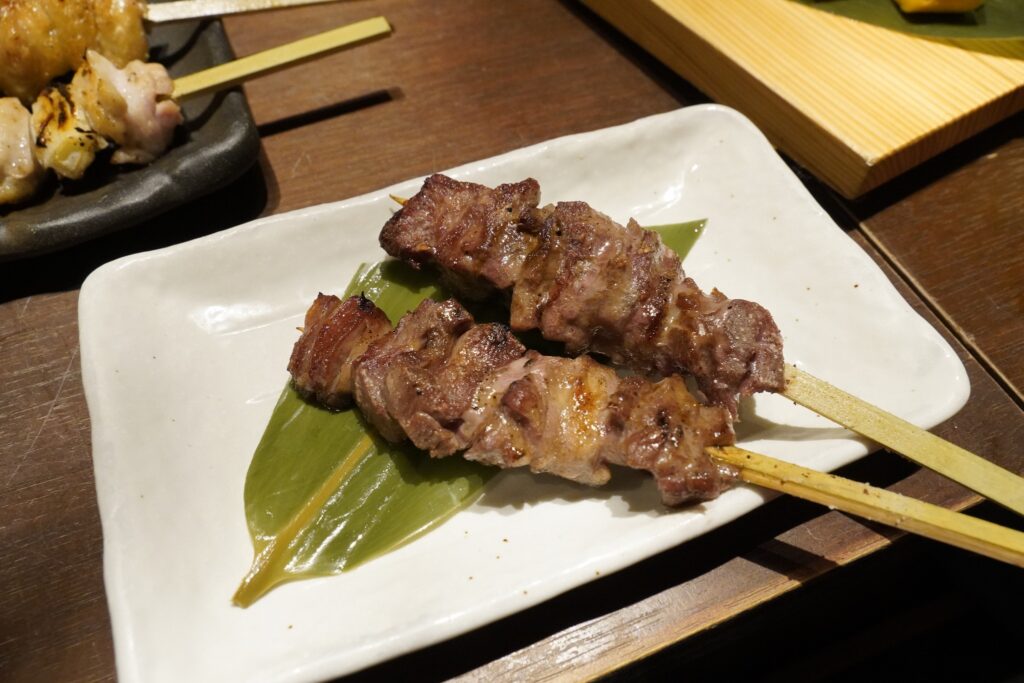
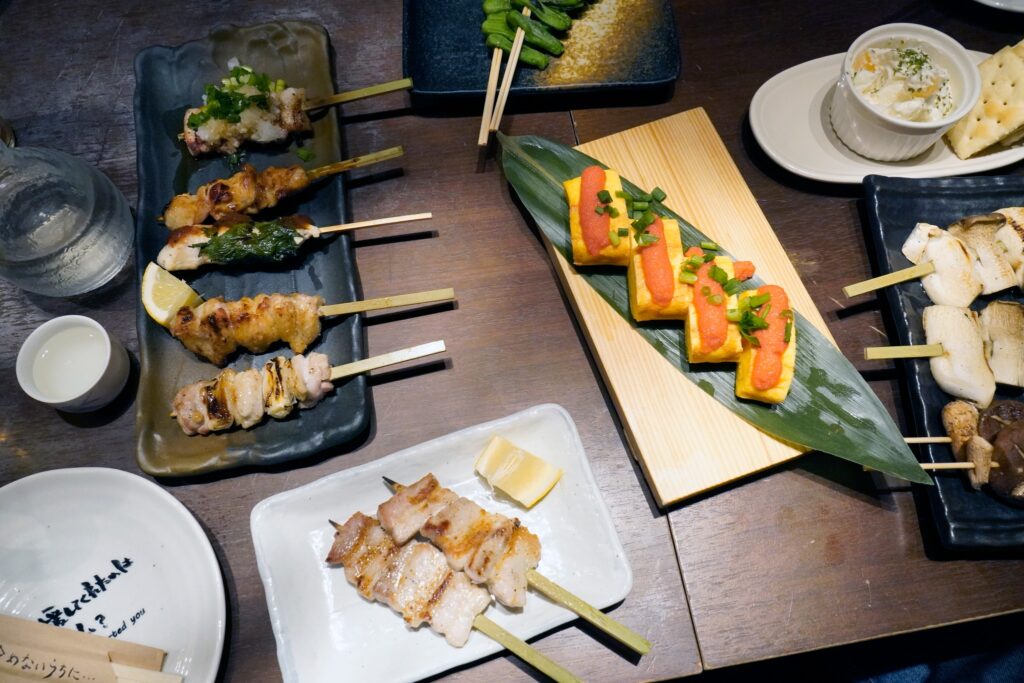
Like most izakayas in Japan, Fukumimi Hanare charges a small service fee at the end of your bill — but it comes with a perk. Each diner receives a complimentary appetiser, and here, that means a scoop of potato salad. Don’t overlook it. It was one of the most unexpectedly delicious things we tried all evening — creamy, lightly seasoned, and completely unique. Sadly, it doesn’t appear on the regular menu, so consider it a little bonus.
The menu itself is concise, but every dish earns its place. The skewers were tender with a gorgeous char, and the mushrooms were juicy and full of flavour. When a restaurant keeps its menu small, it usually means they’ve put real care into what stays on it — and that’s exactly the case here.
Tips Before You Visit
We arrived just before dinner service, and by 7.30pm, every seat was filled with a mix of locals and tourists. If you’re coming with a bigger group, make a reservation. This place fills up fast — and for good reason.
Yakiniku Futago — Japanese BBQ Done Right
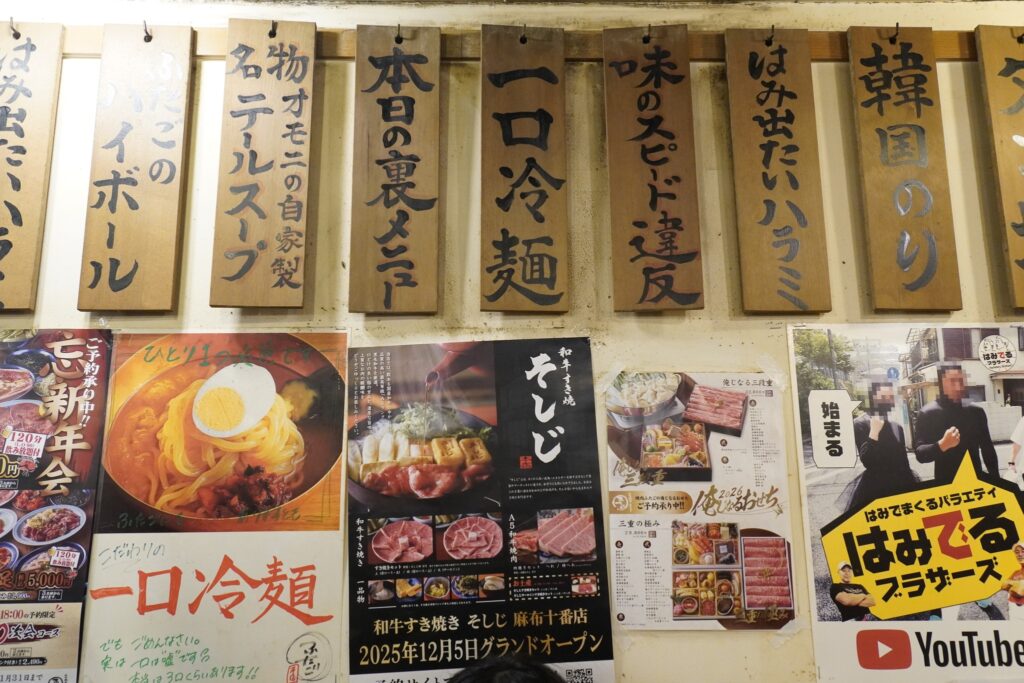
In Japan, how could we possibly skip yakiniku?
Japanese BBQ is serious business here, found in every corner of the country and beloved by locals and visitors alike. Thin slices of pork belly and beef, laid over a live grill, paired with an array of dipping sauces and washed down with an ice-cold highball or beer — it’s one of those meals that’s as fun to cook as it is to eat.
An Extensive Menu for Serious Meat Lovers
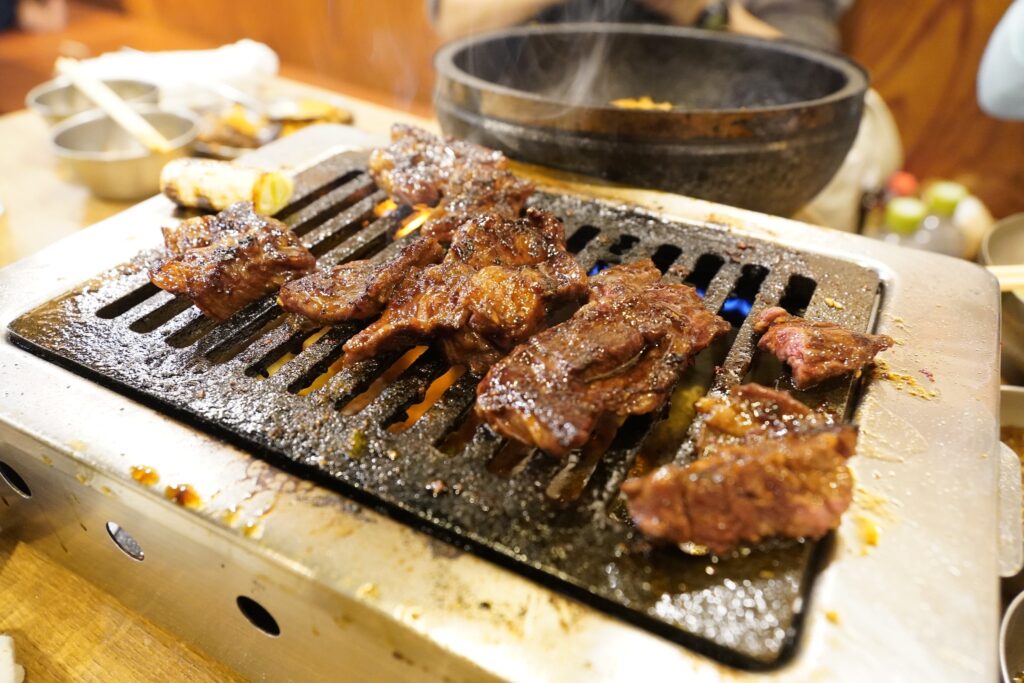
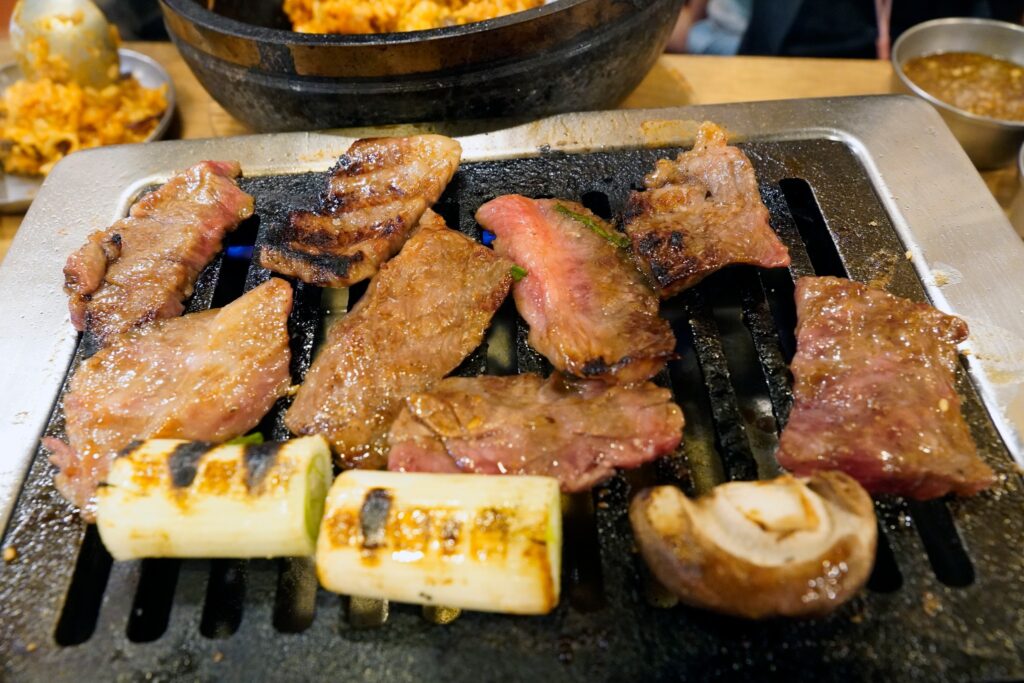
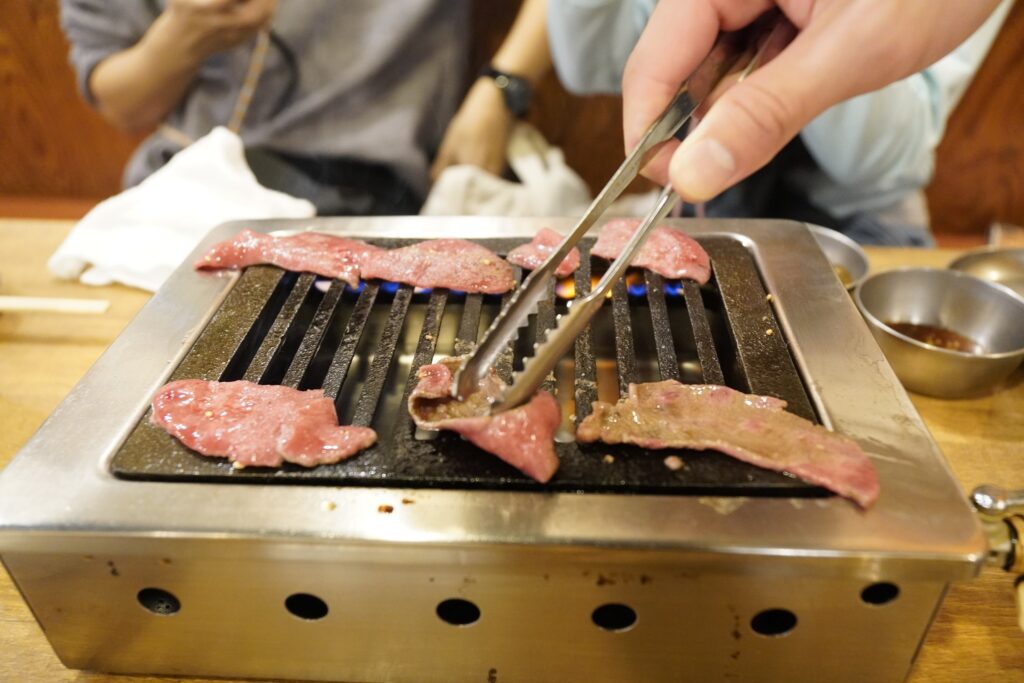
Yakiniku Futago does not hold back. Their meat menu is extensive, covering a wide range of cuts for both pork and beef. Beyond the BBQ, the menu stretches further with noodles, soups, salads, and a long list of drinks to keep the table going all night.
It’s highly rated on Google Maps and clearly a favourite among locals — which is always a good sign.
To Grill or Not to Grill
Reservations are recommended here. Walk in without one, and you may find yourself waiting a while for a table. Once seated, the staff — professional and attentive — will be on hand throughout the meal to assist with the grilling. You’re welcome to take the tongs yourself, but we decided to leave it to the experts. The result? Perfectly cooked meat, every single time.
Is It Worth the Price?
Yakiniku Futago sits on the pricier end of the spectrum, but the quality justifies it. The cuts are fresh, well-prepared, and cooked with care. If you’re a BBQ lover visiting Tokyo, this one belongs on your list.
Ramen Kamo — Is Duck Ramen Worth a 45-Minute Wait?
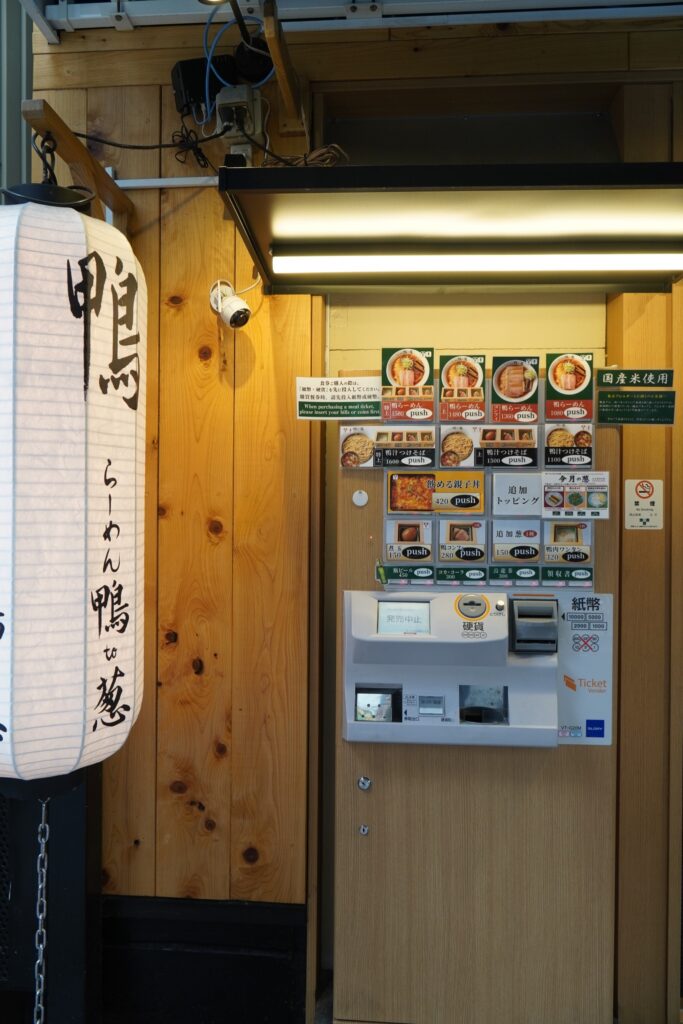
When we think of ramen, our minds usually go straight to chashu pork. Thick, melt-in-your-mouth slices of braised pork belly, draped over a steaming bowl of broth.
But duck?
A Bowl That Challenges Expectations
Ramen Kamo has built its reputation on exactly that — duck ramen. And it’s popular enough that we queued 45 minutes just to get a seat. Like most ramen spots in Japan, reservations aren’t an option here. You simply join the line and wait your turn.
I’ll be honest: I was skeptical going in. Would the duck be tough? Gamey? Would it even work in a ramen broth?
It worked. Beautifully.
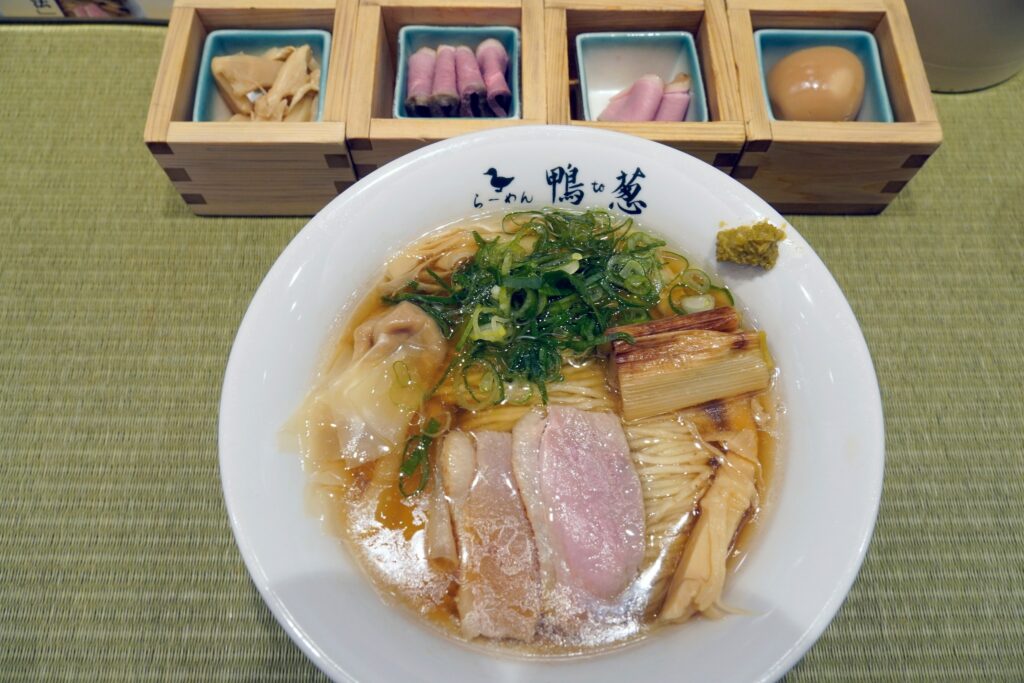
The duck was remarkably tender — none of the chewiness I’d braced myself for — and the broth was deeply rich and full of flavour. On top of that, the kitchen moves quickly. Despite the long wait outside, once you’re seated, the bowl arrives fast.
What to Order
The menu is focused, as the best ramen shops tend to be. Alongside your bowl, you can add extras like a ramen egg or bamboo shoots to round out the meal.
Good to Know for Families
Ramen Kamo has booth seating along the sides of the restaurant — a small but thoughtful detail that makes a real difference when dining with young children. We split up naturally: I settled into a booth with the kids while my husband took a counter seat. It worked out perfectly.
As for whether the 45-minute wait is worth it? That’s a question only your taste buds can answer. Ours said yes.
Noyaki — A Hidden Gem on Ameyoko Street, Ueno
Tucked along the lively stretch of Ameyoko Street in Ueno, Noyaki is one of the highest-rated izakayas in the area — and it’s easy to see why. The entire street is lined with izakayas competing for your attention, but Noyaki consistently stands out among locals and visitors alike.
Outdoor Seating — A Thoughtful Touch
As with many izakayas in Japan, smoking is permitted indoors. What sets Noyaki apart is its outdoor seating, which makes it a great option for those who prefer a smoke-free meal. On a mild evening, sitting outside along the buzz of Ameyoko Street is an experience in itself.
What to Eat
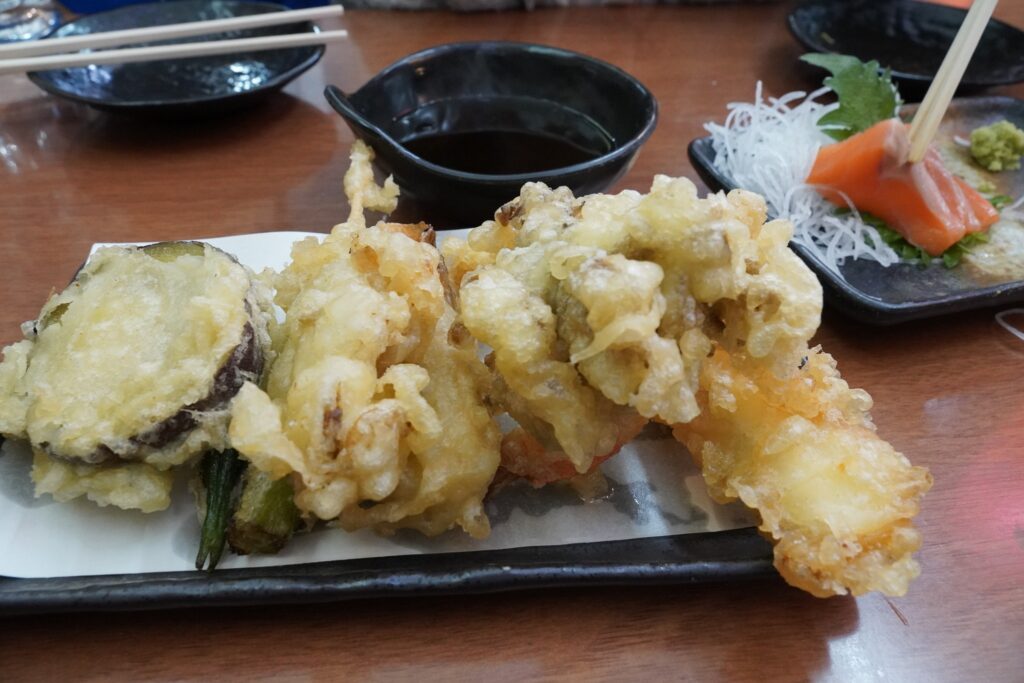
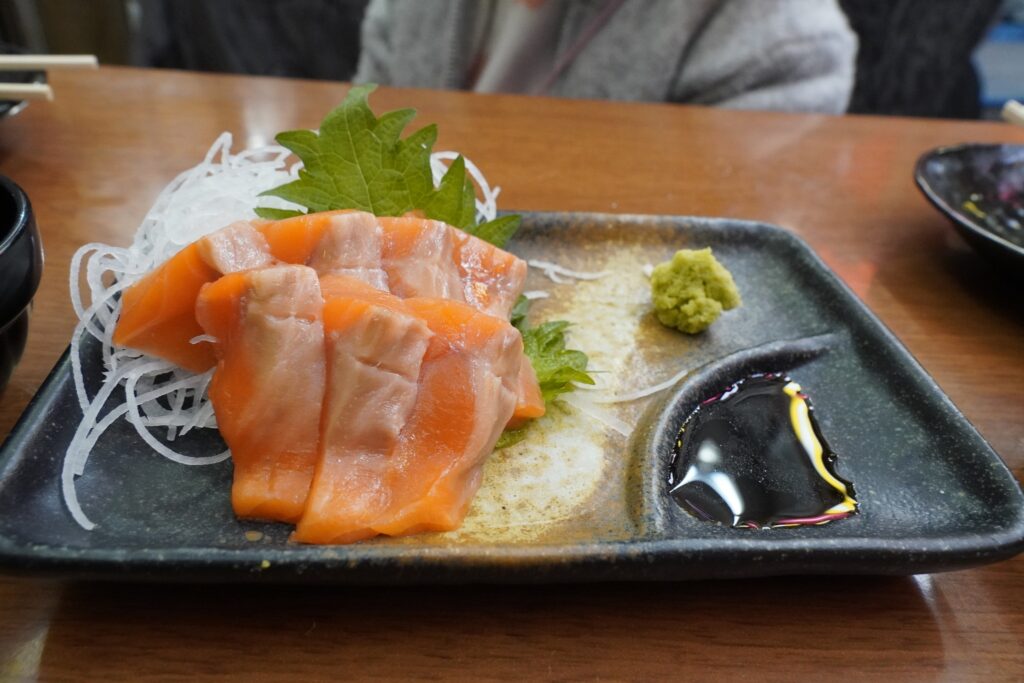
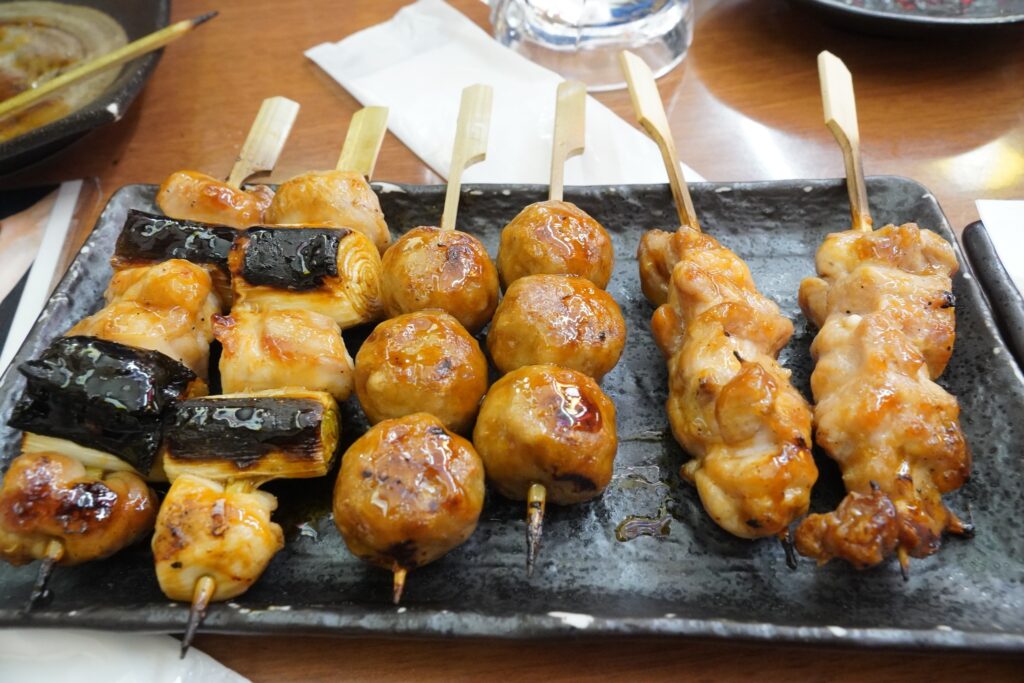
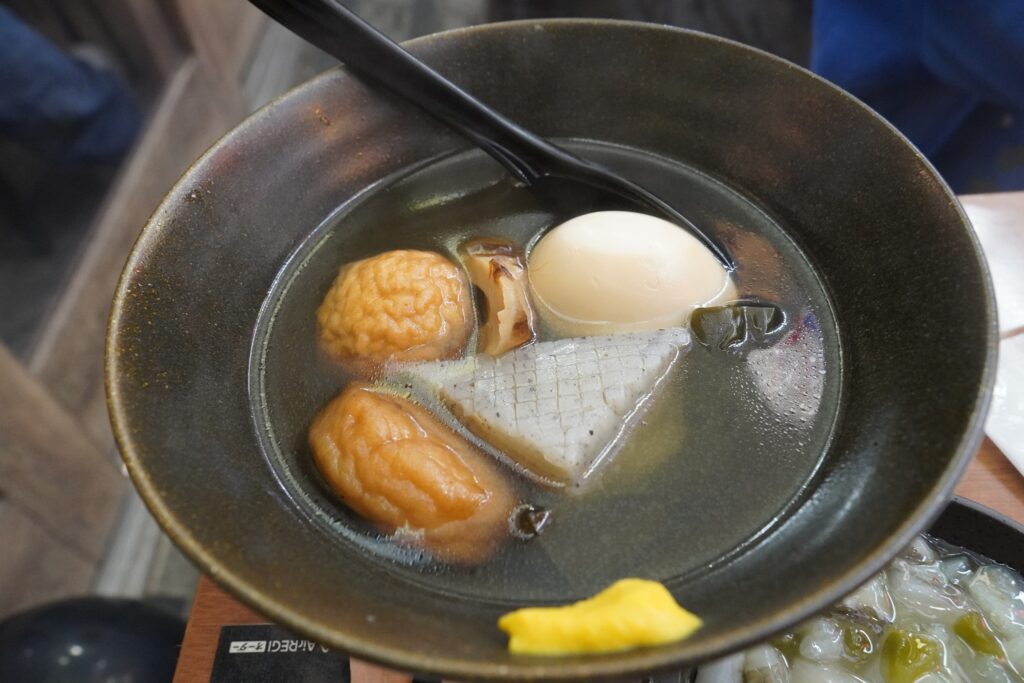
Noyaki is one of the rare izakayas we came across that serves oden — a comforting Japanese hotpot of slow-simmered ingredients in a light dashi broth. On a cold, drizzly winter evening, a steaming bowl of oden was exactly what we needed.
The yakitori was a hit with the kids — perfectly grilled, lightly charred, and incredibly moreish. The sashimi, too, was impressively fresh.
And then there was the wasabi octopus. Fresh octopus sashimi dressed with wasabi — in theory, a brilliant combination. In practice? The wasabi was overwhelmingly fierce, and my eyes were watering before the second bite. Approach with caution, or leave it to the brave.
Worth the Visit
Even on a wet, drizzly evening, Noyaki was buzzing with locals — always a reliable sign of quality. If you’re spending the day at Ueno Park, this is an excellent spot to wind down for dinner.
Kome San Kaku Izakaya — The Freshest Seafood in Tokyo
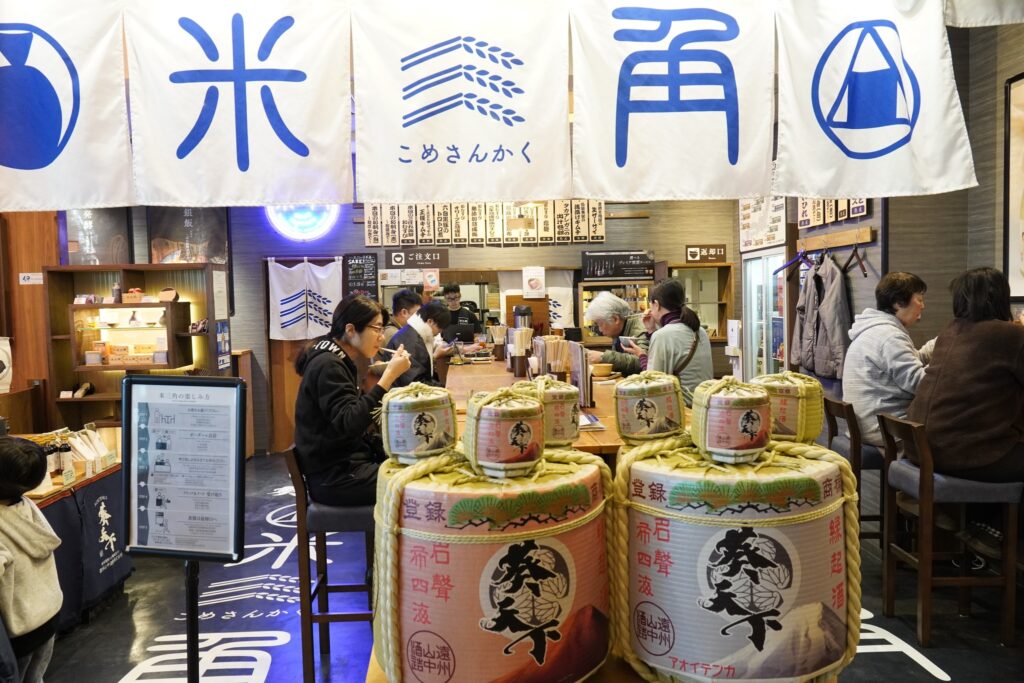
If there’s one place in Tokyo where seafood simply cannot get any fresher, it’s Kome San Kaku Izakaya.
Located in Toyosu — the district that has housed Tokyo’s main fish market since it relocated from Tsukiji in 2018 — this izakaya sits practically next door to the source. The Toyosu Fish Market supplies some of the finest seafood in the world, and Kome San Kaku makes full use of that proximity.
Sashimi as Art
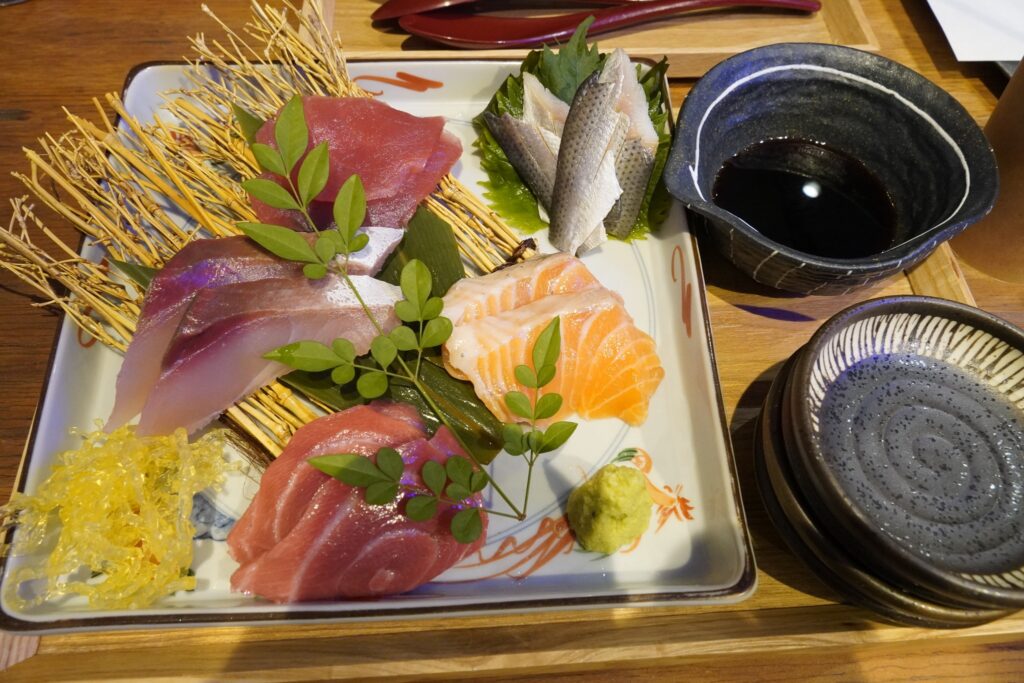
For sashimi lovers, this place is a must. The fish is impeccably fresh, but what makes each plate memorable is the presentation — every dish is carefully arranged, with slices of fish laid out like a work of art. Beyond sashimi, the menu extends to a variety of other fish dishes. The grilled fish, in particular, left a lasting impression. Of all the grilled fish I tried throughout our entire Japan trip, this was the best.
Something for Non-Seafood Lovers Too
Not everyone at the table shares the same enthusiasm for seafood — my son included. The good news is that Kome San Kaku also serves grilled chicken, so no one is left out.
Don’t Skip the Stewed Daikon
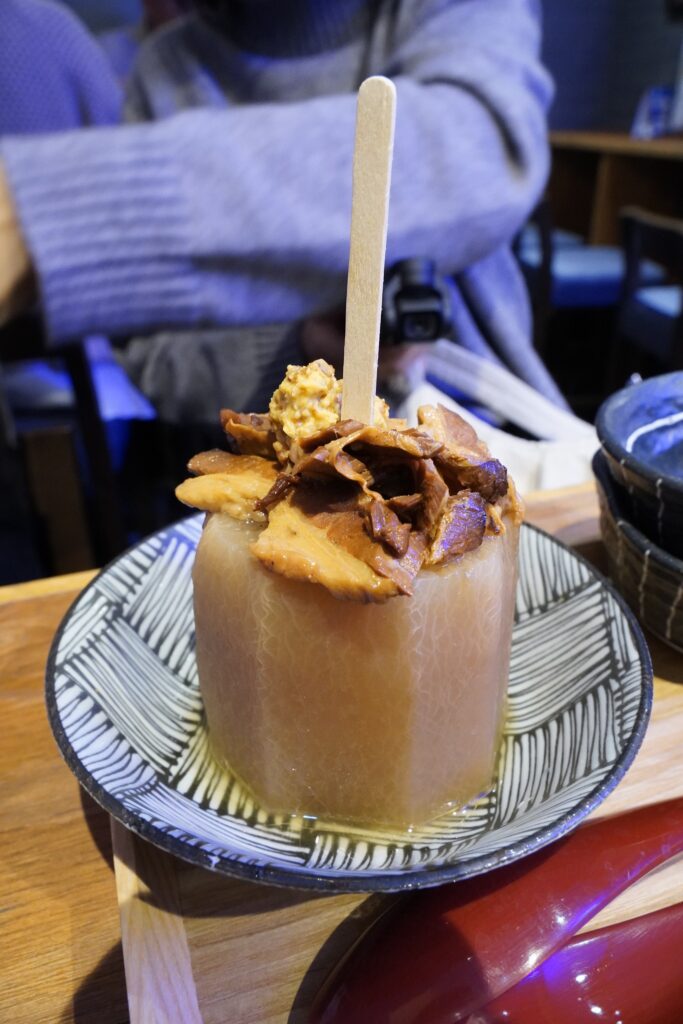
One dish that deserves a special mention is the stewed daikon with slices of meat. Slow-cooked and deeply savoury, it’s the kind of dish that feels made for a cold winter evening. Don’t expect a generous serving of meat — but do expect a satisfyingly large, melt-tender chunk of daikon that more than makes up for it.
Niku to Unagi Unadoki — Beef and Eel in Historic Kawagoe
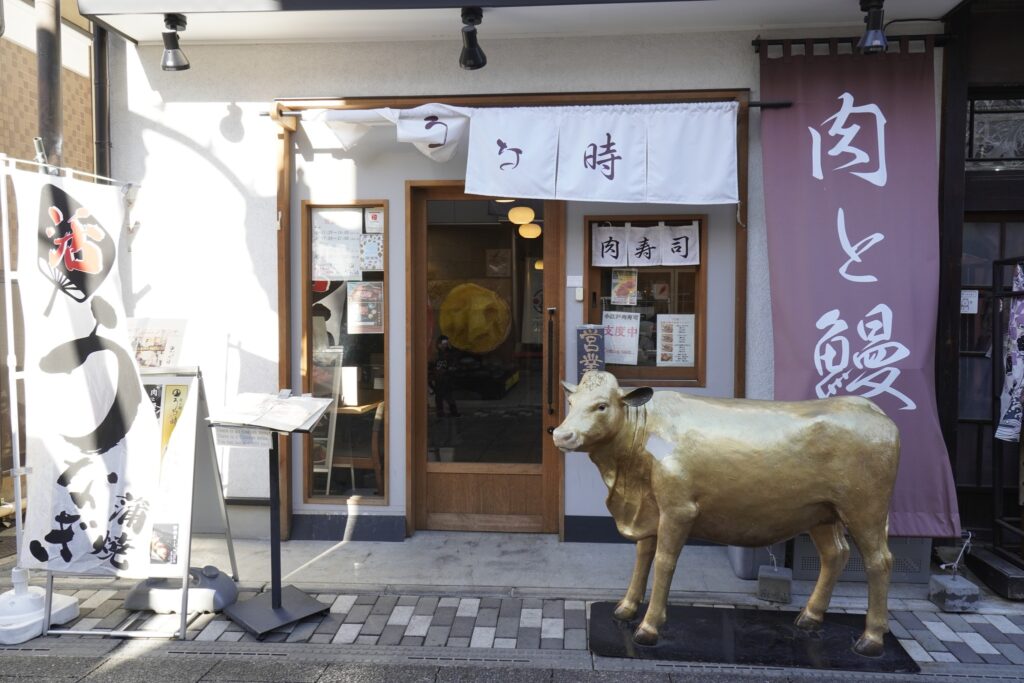
On a day trip to Kawagoe, we stumbled upon Niku to Unagi Unadoki almost by accident — though in hindsight, it was hard to miss. A giant cow statue stands proudly on the busy street leading to Renkeiji Temple, doing an excellent job of stopping passersby in their tracks.
What’s on the Menu
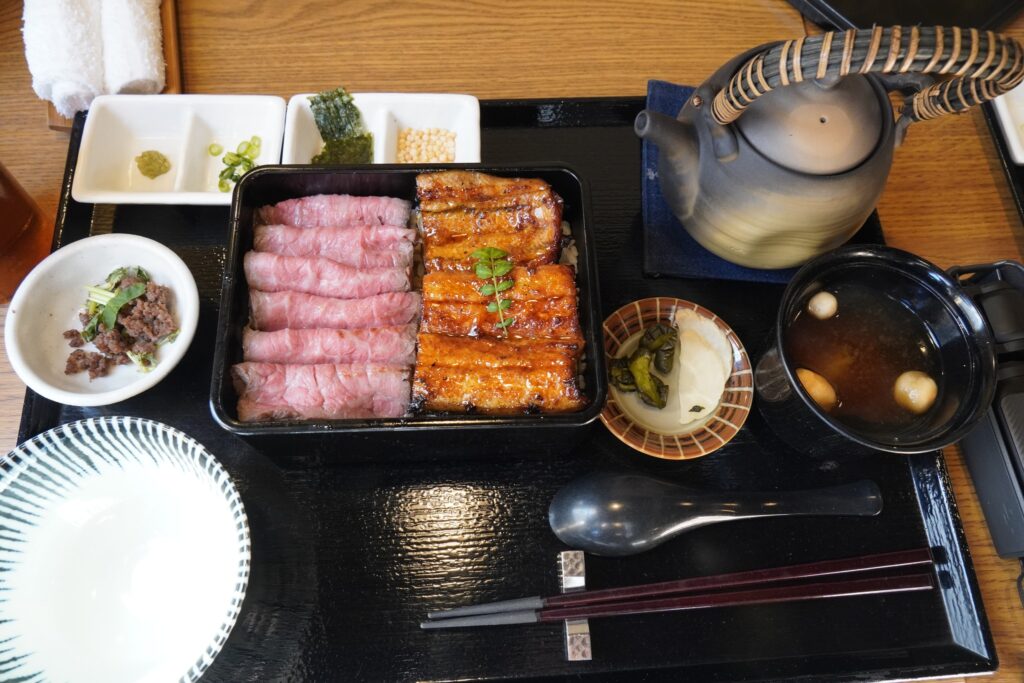
For those familiar with Japanese food names, the restaurant’s name gives it away immediately: niku means meat, and unagi means eel. The dish arrives as a beautifully presented set in a traditional lacquered bento box, accompanied by sides, condiments, and a small empty teapot — which becomes important later.
How to Eat It
Tucked beside each table is a small instruction card walking you through the recommended way to enjoy the meal. You’re free to follow it or simply dig in as you please — there’s no wrong approach. Once you’ve worked through the beef and eel, ask the staff to fill the little teapot with dashi broth. Pour it over the remaining rice, and enjoy what is essentially a light, savoury ochazuke to finish the meal. It’s a lovely touch that elevates what could have been a simple ending into something memorable.
The Verdict
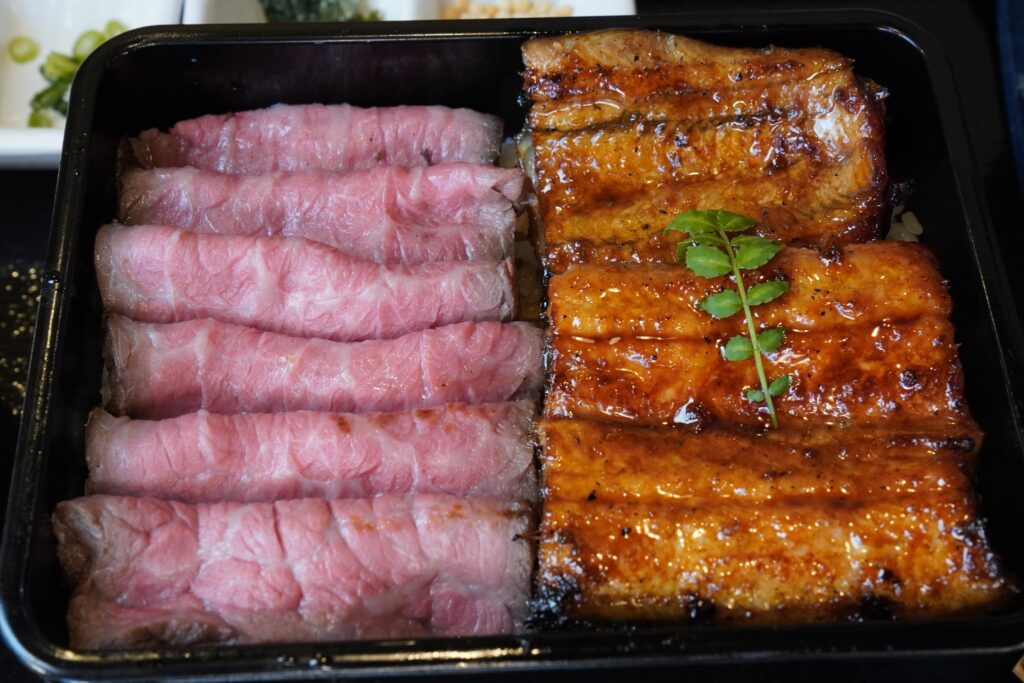
If you’re an unagi lover, this is a dining experience worth going out of your way for. I’ll admit I’ve never been the biggest fan of eel — but even I have to concede that their unagi was exceptional, and honestly outshone the beef. That’s saying something.
Sushi to Ramen Uogashiya — Two Classics, Done Exceptionally Well
Sushi and ramen are two of Japan’s most beloved dishes — and also two of its most labour-intensive. Getting either right takes years of practice. Getting both right under one roof is an achievement worth noting.
Sushi to Ramen Uogashiya does exactly that.
We first encountered this chain in Yokohama (read about that visit here), where it operated within a food hall concept, sharing the space with several other brands. The Tokyo outpost is a different experience altogether — a standalone shop with its own identity and a more intimate, focused atmosphere.
The sushi is fresh and carefully made. The ramen is rich and deeply satisfying. Neither feels like an afterthought, which is rare for a chain that juggles both.
If you happen to be in the area, it’s well worth a stop — whether you’re in the mood for a bowl, a platter, or somehow both.
Gyukatsu Kyoto Katsugyu — When Beef Katsu Changes Everything
Katsu typically means chicken or pork — crispy, golden, and satisfying. But gyukatsu, beef katsu, takes the concept to an entirely different level.
And at Gyukatsu Kyoto Katsugyu, it’s not just about the food. It’s about the experience.
Cook It Your Way
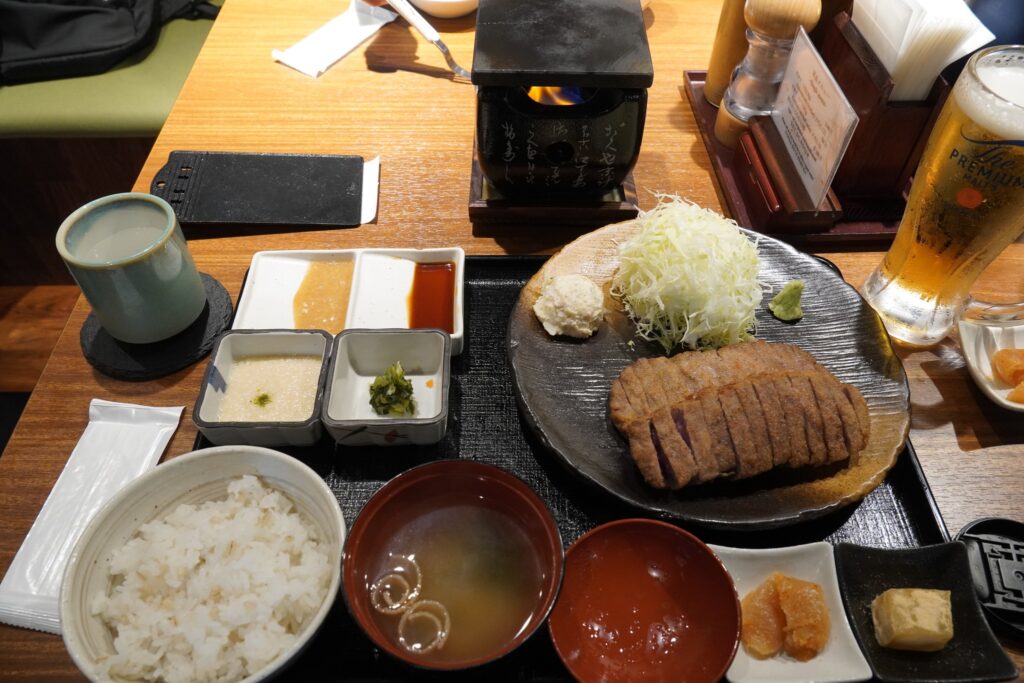
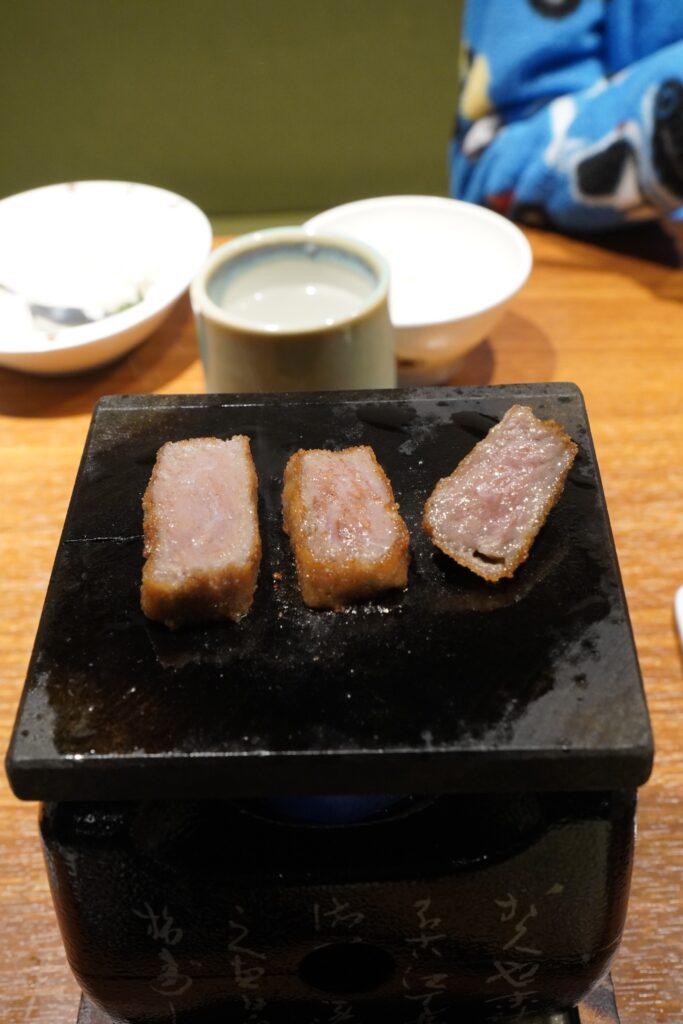
Each serving arrives as carefully sliced beef steak, already katsu-fried and ready to eat. But here’s where it gets interesting: a hot stone grill sits at every table, giving you full control over how you finish your meal. Prefer your beef a little more cooked? Lay it on the stone and grill it to your exact liking. It’s a simple idea that makes the whole meal feel personal and interactive — something the kids particularly enjoyed.
Choose Your Cut
The menu lets you select your preferred cut of beef, ranging from chunk tail flap to sirloin. Whether you lean towards something more flavourful and marbled or a leaner, more refined cut, there’s an option to suit every palate.
The Dipping Sauces Seal the Deal
What I loved most, beyond the beef itself, were the dipping sauces. Several options are laid out at the table, and half the fun is experimenting with your own combinations. Some bites call for something sharp and tangy; others are best left with just a whisper of seasoning.
If you love being in control of your meal from start to finish, Gyukatsu Kyoto Katsugyu delivers one of the most satisfying and customisable dining experiences in Tokyo.
Tsukishima Monja Okoge Shibuya — Tokyo’s Answer to the Savoury Pancake
Most people who visit Japan have heard of okonomiyaki — the beloved Osaka-style savoury pancake, thick and hearty with a batter not unlike a western pancake packed with fillings. Fewer have heard of its Tokyo-born cousin: monjayaki.
Monjayaki actually predates okonomiyaki, originating in Tokyo long before the Osaka version rose to fame. Where okonomiyaki is dense and structured, monja is wet, loose, and sticky — more of a bubbling, molten mass on the hotplate than anything resembling a pancake. It’s typically lighter in flavour, mostly seafood-based, and traditionally served as an appetiser before a teppanyaki meal.
We had never tried it before. So naturally, we had to.
The Monja vs Okonomiyaki Experience
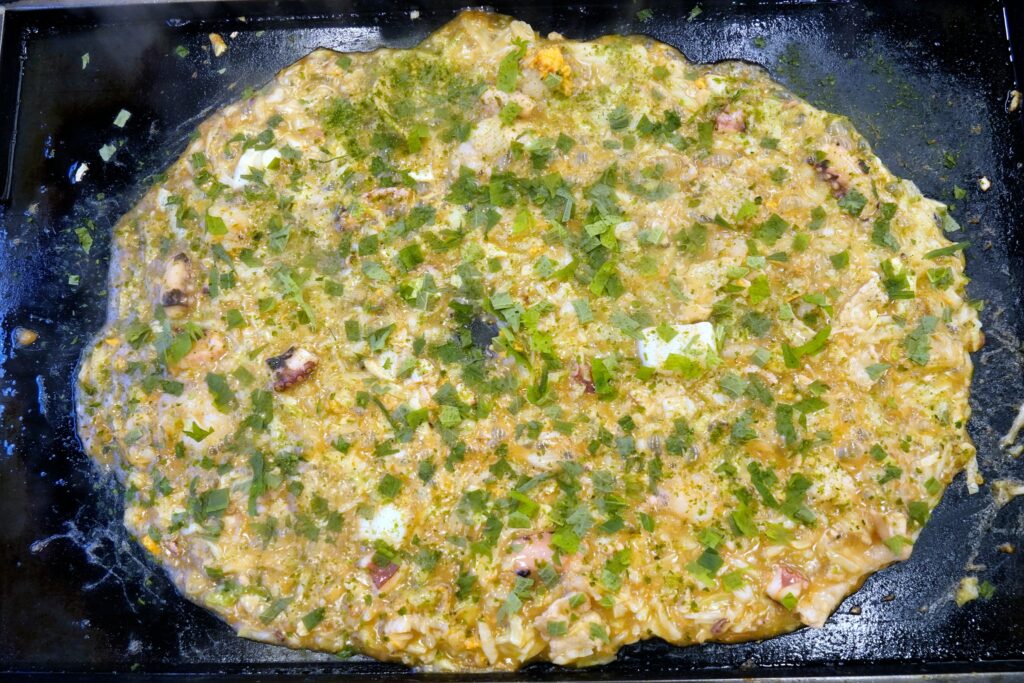
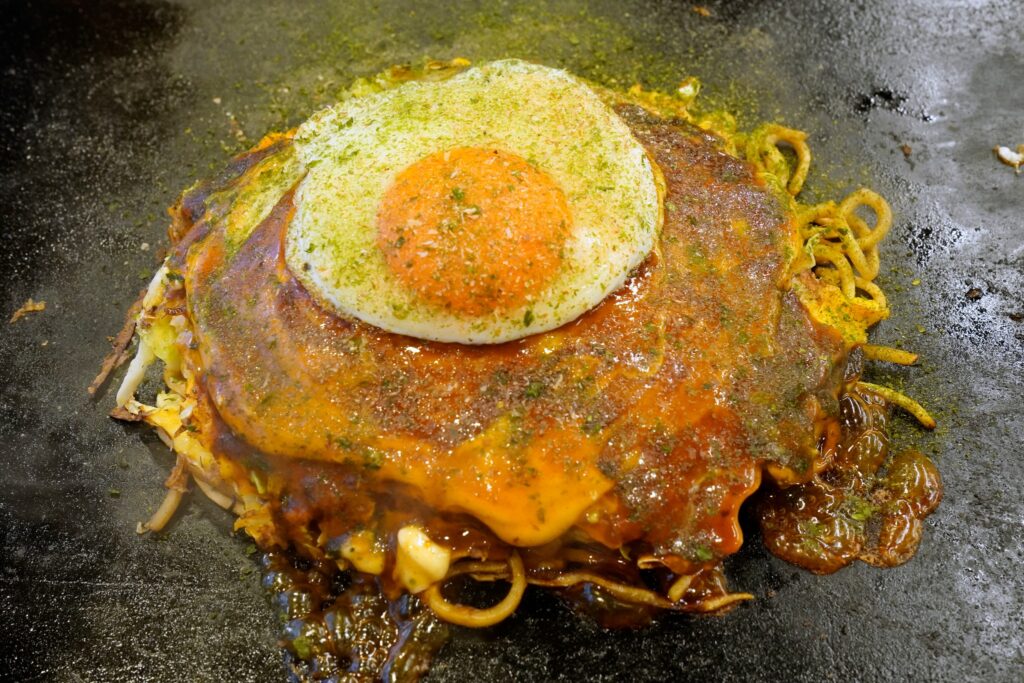
At Tsukishima Monja Okoge in Shibuya, you can order both — which made for a perfect side-by-side comparison. We started with the monjayaki as recommended, then moved on to the okonomiyaki.
The monja was an experience in itself. Gooey, sticky, and unlike anything I’d expected — it looks nothing like a pancake on the plate, and even less like one once it’s cooking. Intriguing, but an acquired taste.
We also ordered karaage for the kids and — on the staff’s recommendation — the giant squid, one of the restaurant’s signature dishes. It was the highlight of the meal: beautifully charred, light, and full of flavour. A must-order.
All the cooking was handled by the staff throughout, which was a relief given that none of us had the faintest idea how to manage a hotplate properly.
A Thoughtful Finishing Touch
Before we left, the staff offered to spritz our clothes with fabric freshener to get rid of the smoky smell — a small but genuinely appreciated gesture that rounded off a memorable evening.
The Verdict
It was a wonderful experience overall, and I’m glad we tried monjayaki at least once. That said, if you put a plate of each in front of me again, I’d reach for the okonomiyaki every time. Some classics are classics for a reason.
Hinomaru — Ending the Trip with A5 Wagyu
If your budget allows for one splurge in Japan, let it be this.
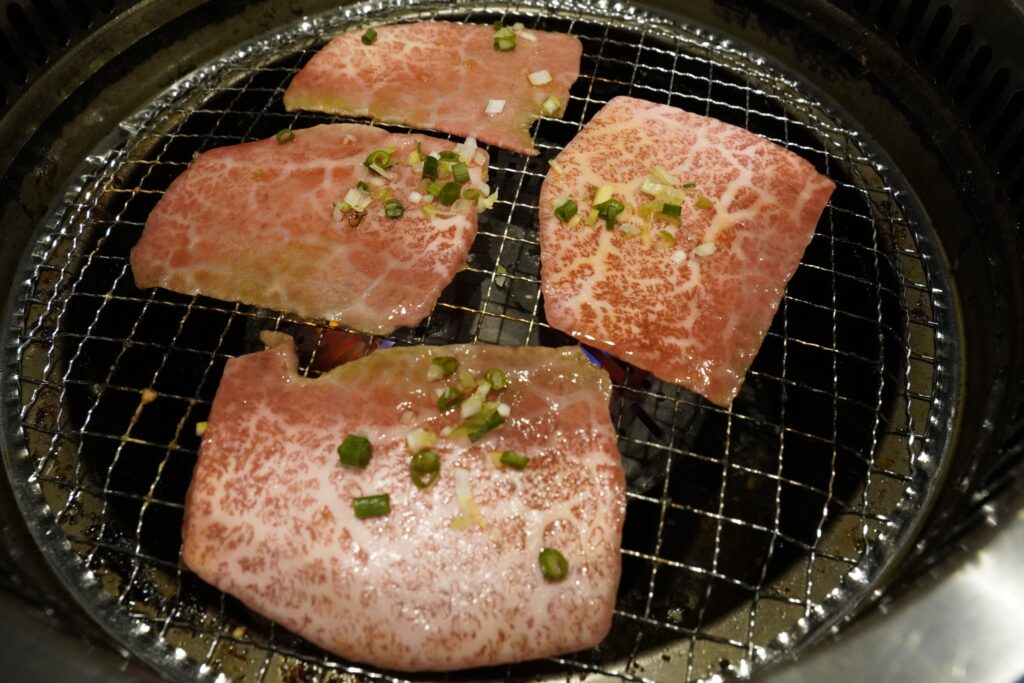
A5 Wagyu is the cream of the crop — the result of generations of meticulous cultivation and an almost obsessive dedication to quality. That signature marbling isn’t just beautiful to look at; it’s what makes each bite dissolve on your tongue in a way that no other beef quite manages. Greasy? Not even close. It’s rich without being heavy, indulgent without being overwhelming.
Outside of Japan, A5 Wagyu comes with a significant price tag, inflated by export and import costs. In Japan, it’s still a treat — but a far more accessible one. And when the quality is this high, it’s worth every yen.
Why Hinomaru
We chose Hinomaru after coming across its glowing reviews across multiple platforms, and it did not disappoint. Their A5 Wagyu was exceptional — tender, deeply flavourful, and reasonably priced by wagyu standards. By the time we arrived, a queue had already formed at the entrance, even with a reservation. That alone tells you everything you need to know.
Make a reservation before you go. Don’t risk turning up without one.
What We Ordered
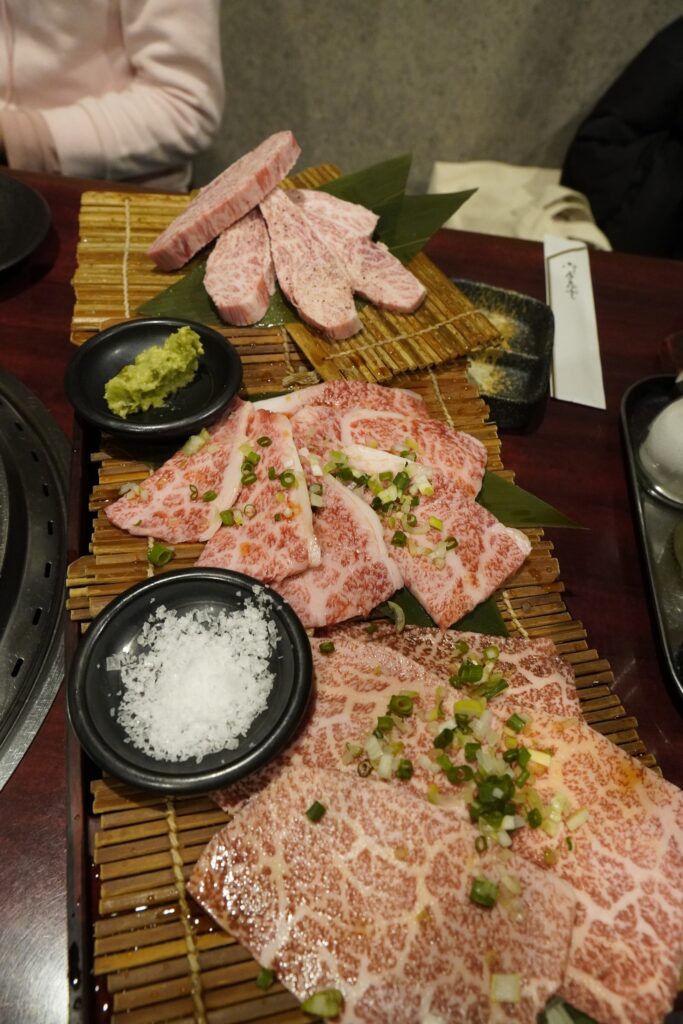
We went with a meat platter featuring three different cuts — enough for two to three people, which worked well for us as a family of four with two young kids. To round out the meal, we added Korean banchan on the side and a serving of cold noodles, which provided a refreshing contrast to the richness of the beef.
It was the perfect way to end our Tokyo food journey.
For more food stories,
If you like what you read, you can visit me on my various social media for more content and daily updates.

Leave a Reply